
Introduction
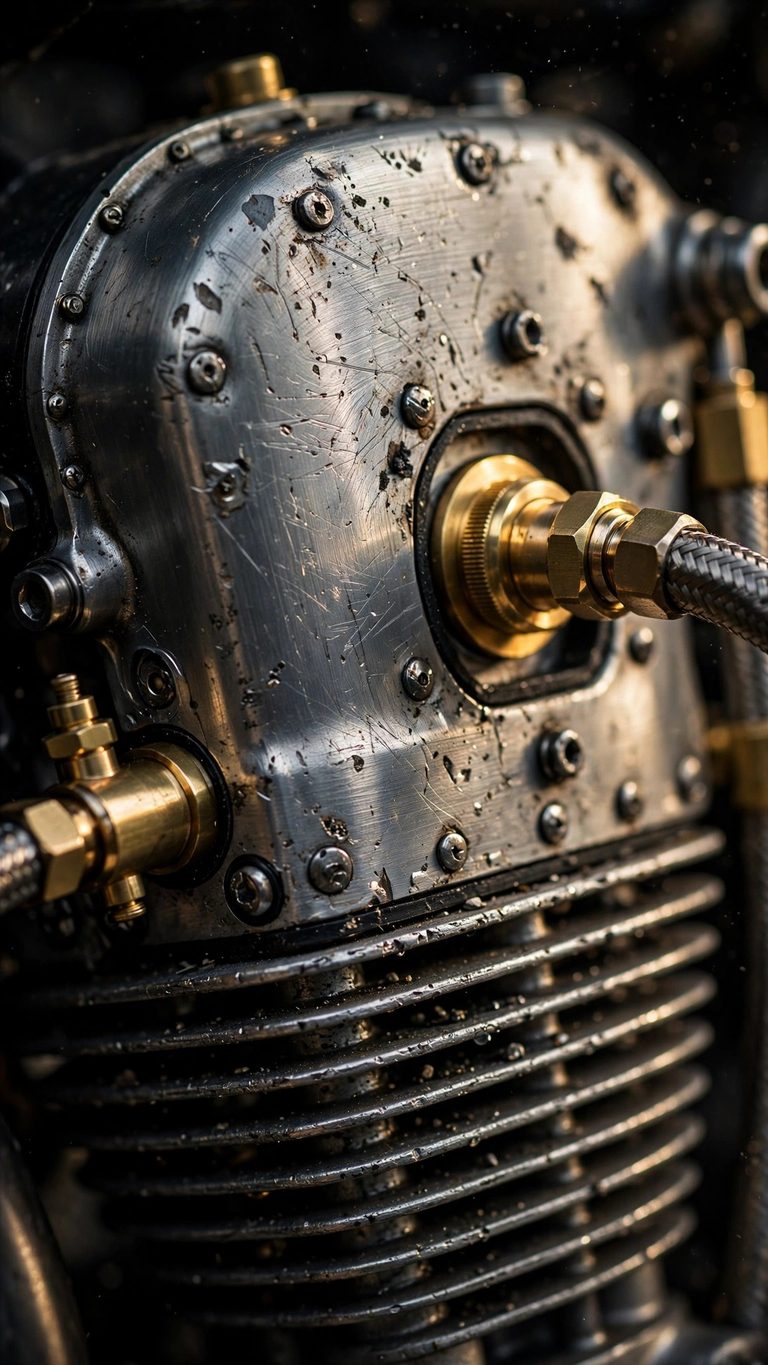
Forget the full bike for a moment. Zoom in until the frame fills with brushed metal, brass fittings catching the light, every scratch and rivet rendered in razor detail. A custom cafe racer engine, photographed in extreme macro, is mechanical art: part sculpture, part machine, all attitude. This is the kind of image that makes #BikeLife followers stop mid-scroll, because it speaks to the obsession every rider knows, the love of the machine itself. Macro photography of engines is catnip for motorcycle culture. It says craftsmanship, heritage, and grease under the fingernails. Normally, shooting it requires a macro lens, careful lighting, and access to a beautiful bike. This AI photo prompt skips all of that. It generates a hyper-detailed close-up of a cafe racer engine with dramatic side lighting and a dark moody background, the kind of shot that looks like it belongs in a coffee-table book about custom motorcycles. One prompt, one minute, gallery-grade mechanical art.
The Prompt
Use the prompt exactly as written below for your first attempt, then customize once you see the baseline.
Extreme macro photograph of a custom cafe racer motorcycle engine, brushed metal textures, brass fittings gleaming, shallow depth of field, dramatic side lighting revealing every scratch and rivet, dark moody background, mechanical artistry, hyper-detailed, ultra sharp, 8k, photorealistic
Why This Prompt Works
Macro photography works on the brain in a specific way: it turns the familiar into the monumental. An engine you might glance past becomes a landscape of metal when magnified, and that transformation is inherently fascinating. This prompt exploits that by going extreme macro, filling the frame with texture. Brushed metal textures and brass fittings gleaming give the AI two contrasting materials to render: cool matte steel against warm polished brass, a combination that reads as expensive and hand-built. Contrast in materials is what makes luxury product shots sing, and it works just as well on engines. Dramatic side lighting is the key technical phrase. Side light rakes across surfaces at a low angle, which exaggerates every scratch, rivet, and machining mark through tiny shadows. That is how real macro photographers reveal texture, and the prompt bakes the technique right in. Shallow depth of field keeps one plane of the engine tack sharp while the rest melts into blur, which creates depth and guides the eye exactly where you want it. The dark moody background isolates the subject like a museum piece, removing distractions and adding drama. And the phrase mechanical artistry tells the model this is not a repair manual photo, it is art, nudging the composition toward beauty rather than documentation. In motorcycle culture, detail shots outperform full-bike shots for engagement because they reward the knowledgeable viewer: only a real enthusiast appreciates the brass fittings, and that insider recognition drives comments, saves, and shares across the #CafeRacer community.
How to Use This Prompt
Here is the workflow. Step one: copy the prompt verbatim from the box above. Step two: paste it into your generator. In Midjourney v7, add –ar 9:16 for the 9:16 portrait format specified in the original post, which suits the tall, stacked composition of an engine close-up on mobile feeds. In DALL-E 3, paste via ChatGPT and request a vertical image. For Flux or Stable Diffusion, use a portrait canvas around 768 by 1344, 30 plus steps, and a photorealistic or detail-focused checkpoint. Step three: generate at least four variants, because macro detail is where AI artifacts hide. Zoom into each result at full size and check the rivets, bolts, and cooling fins for warping or melting, and keep only the cleanest one. Step four: upscale the winner; macro shots benefit enormously from upscaling since every extra pixel adds believable texture. The original settings call for 9:16 portrait in Midjourney v7 or DALL-E 3, both of which excel at fine metallic detail. Save your seed so you can re-render the same engine from slightly different angles for a matching detail series.
Pro Tips & Creative Variations
The engine is just the beginning. Swap the subject while keeping the macro recipe: a close-up of clip-on handlebars with worn leather grips, a brass headlight bucket with a glowing filament, a spoked wheel hub with a disc brake, or a hand-stitched leather seat with brass rivets. Each one becomes its own piece of mechanical art. Change the materials for different moods: blacked-out engine with matte finishes and red anodized bolts for a modern streetfighter feel, or polished aluminum with copper fittings for vintage board-tracker elegance. Lighting variations are powerful too: try warm workshop tungsten light for a garage atmosphere, or cool blue rim light for a futuristic lab feel. Add storytelling details with phrases like light oil sheen on the metal, faint heat discoloration on the exhaust headers, or dust particles floating in the light beam. For a workshop narrative, widen slightly with engine on a workbench surrounded by blurred tools. Composition trick: ask for a diagonal composition to add dynamism, since engines are naturally horizontal subjects. For Stable Diffusion users, a negative prompt of blurry, deformed bolts, extra parts, watermark helps a lot. If you run a bike page, build a Macro Monday series: same lighting style, different part each week. Followers will start recognizing your signature look, which is how a simple prompt becomes a brand.
Frequently Asked Questions
Why do small parts sometimes look melted or wrong? Fine mechanical detail is challenging for AI because bolts, fins, and threads have precise repeating geometry. Always generate multiple variants and inspect at full zoom. Keep the one with the cleanest geometry, and in Stable Diffusion add deformed parts to the negative prompt. Upscaling a clean base beats fixing a flawed one.
Can I feature a specific motorcycle brand? You can describe the style instead of the brand, such as British parallel-twin cafe racer engine, to get the right look without trademark problems. Real logos often render as gibberish anyway, so style descriptions give cleaner, more usable results.
Does this work for cars too? Yes. The same macro recipe works beautifully on car details: a close-up of a turbocharger, a brake caliper behind a wheel spoke, or a gear shifter in machined aluminum. Just swap the subject phrase and keep the lighting and texture language intact.
What is the best aspect ratio for macro shots? The original post uses 9:16 portrait, which is ideal for phones and Stories. For prints or desktop wallpapers, try 3:2 or 4:5. The prompt’s composition language works in any ratio, so match the format to where you will publish.
Great motorcycle photography is not always about the whole bike. Sometimes the soul of the machine lives in a single brass fitting catching the light. This AI photo prompt captures that soul in extreme macro detail. Copy it, generate your 9:16 portrait, and inspect every rivet. Then build your own series of mechanical art, one close-up at a time. The #CafeRacer community is waiting.
Related Viral Prompts
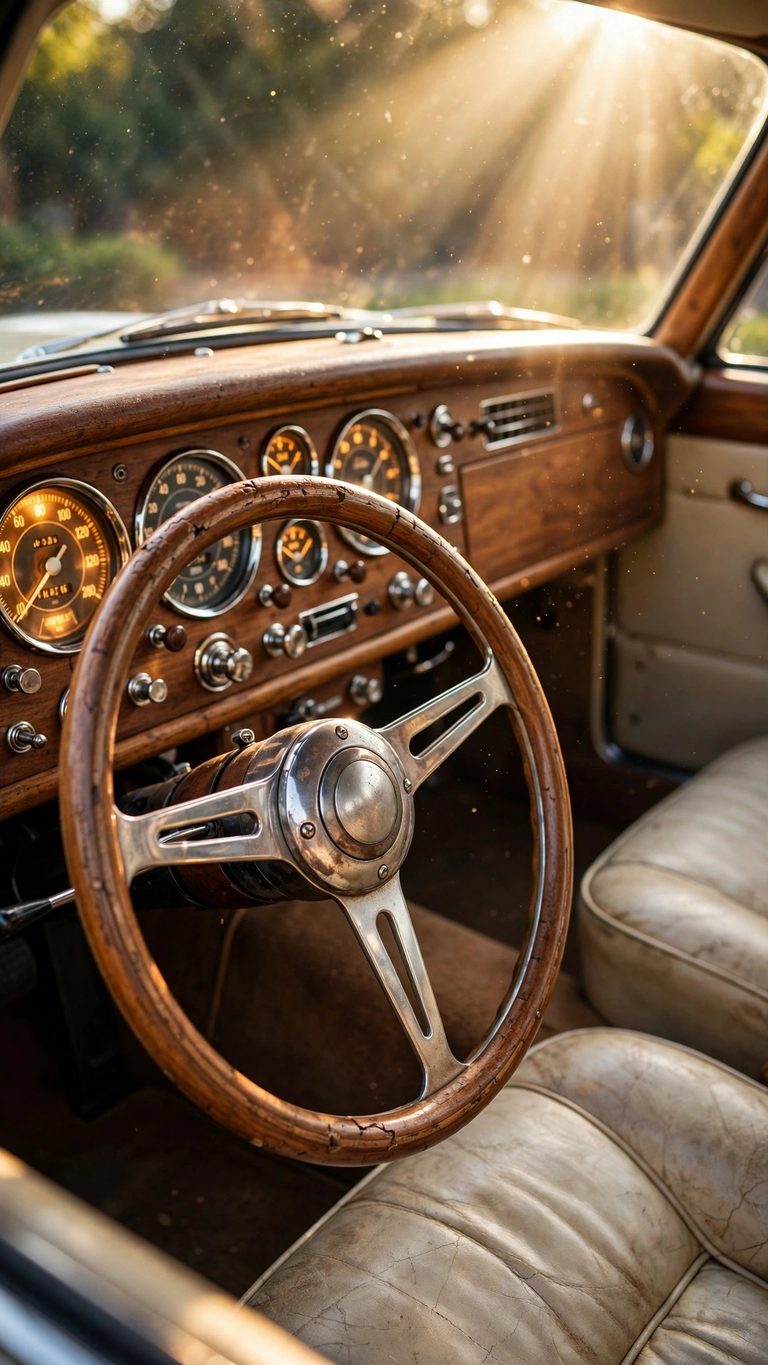
- Classic Car Interior AI Photo Prompt: Create Luxurious Vintage Cockpit Photos With Walnut Wood and Warm Golden Light
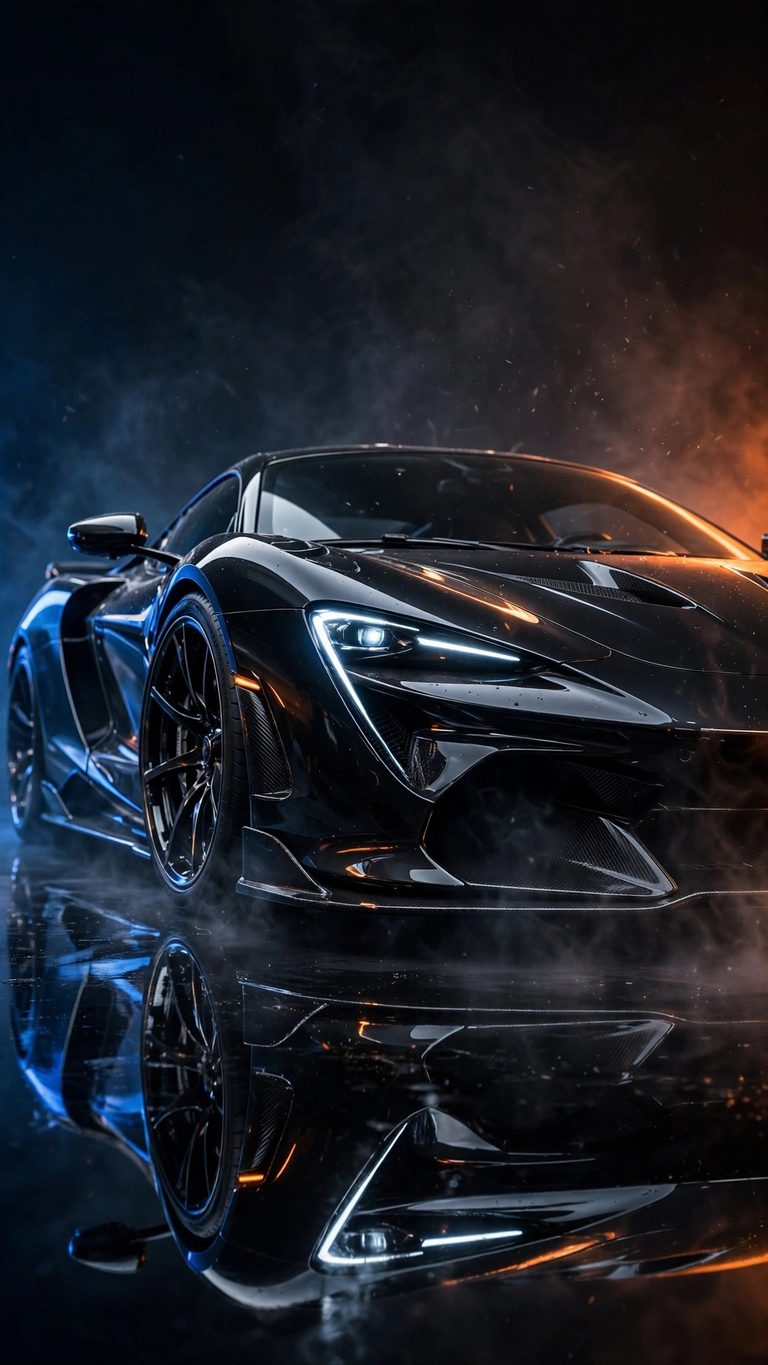
- Supercar Rain Night AI Photo Prompt: Generate Moody Neon Reflection Street Photography With Cinematic Noir Vibes
- Vintage Motorcycle Headlight Macro AI Photo Prompt: Glowing Amber Lens Detail in Night Bokeh for Stunning Close-Up Shots
# A I P h o t o # P r o m p t B a z a r # C a f e R a c e r # M a c r o # B i k e L i f e

Leave a Reply