
Introduction
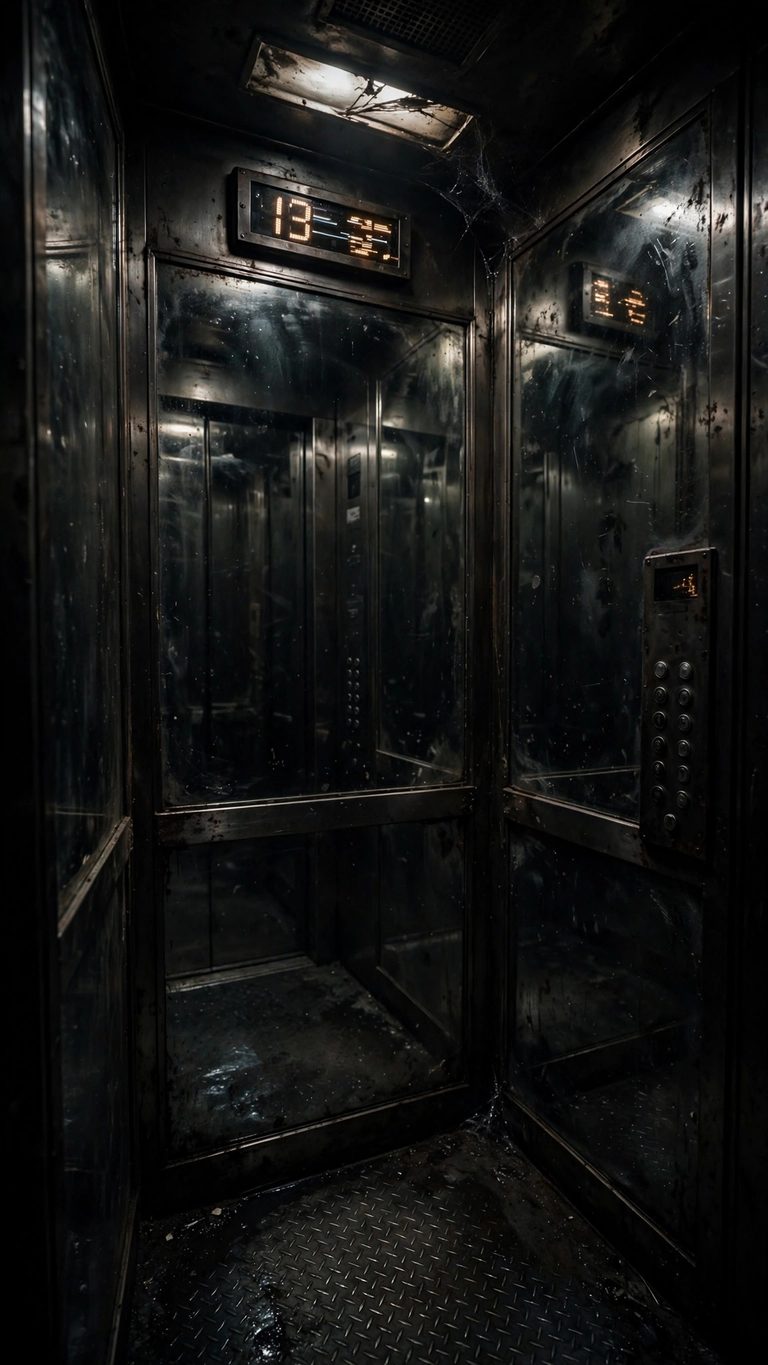
You step into the elevator alone. The doors slide shut. The lights flicker once — old building, you tell yourself. Then again. In the mirrored wall beside you, the reflection shows someone standing behind you. You turn. No one is there. You look back at the mirror, and the figure is closer. The floor numbers above the door start glitching, skipping digits that do not exist. Then the lights die completely, and in the final frame of darkness — something moves. This AI horror prompt compresses all of that into eight seconds of claustrophobic terror, and it is built for the exact moment a viewer’s thumb hovers over the screen. Elevators are already anxiety machines: small, inescapable, humming with machinery. Add flickering lights, a mirror that lies, and a jump-scare ending, and you have a clip engineered for screams, replays, and the most valuable comment in horror short-form: “I felt that.”
The Prompt
Copy the prompt below exactly as written and paste it into your AI video generator. Every element is timed to escalate inside a single eight-second shot:
Claustrophobic horror scene inside an elevator with flickering lights, mirror showing an extra person, floor numbers glitching, sudden darkness, jump scare ending, ultra realistic
Why This Prompt Works
This prompt weaponizes claustrophobia, one of the most universal and least escapable fears. Unlike a forest or a haunted house — spaces you could theoretically run from — an elevator offers no exit while it is moving. The viewer’s brain registers the confinement before anything supernatural happens, which means the dread starts at second zero instead of needing buildup. That is an enormous advantage in eight-second content: the setting does the first half of the scaring for you. The flickering lights then attack the viewer’s sense of perceptual reliability. Humans navigate the world by trusting their eyes; a strobing, failing light source tells the nervous system that its primary sense cannot be trusted, and the resulting unease is primal and immediate.
The mirror is the psychological core of the clip. Mirrors in horror exploit a specific cognitive glitch: we expect a mirror to show the truth, so a mirror that shows something untrue feels like reality itself malfunctioning. The “extra person” only exists in reflection — turning to check finds nothing, which creates a devastating loop of verification and denial. Each glance back at the mirror raises the stakes, because the figure is closer every time. Then the glitching floor numbers add technological dread: the elevator is not just haunted, it is malfunctioning, and a malfunctioning elevator is a real-world fear the supernatural is hitching a ride on. The sudden darkness before the jump scare is textbook scare architecture — sensory deprivation followed by a violent stimulus produces the maximum startle response, and startle responses produce the screams, replays, and shares that algorithms feast on.
On platforms, elevator horror has a proven track record — the confined-space jump scare is a staple of HorrorTok and Reels because it plays perfectly on a phone screen. The vertical 9:16 frame mirrors the elevator’s own tall, narrow geometry, so the format and the setting reinforce each other. Eight seconds keeps the pacing breathless: flicker, mirror, glitch, darkness, scare — five beats, no fat. Viewers rewatch to catch the exact frame the extra person first appears in the mirror, and that replay behavior drives completion rates through the roof. The share trigger is visceral and social: people send this to friends with “never taking the lift alone again,” and every share carries your clip into a new audience completely free.
How to Use This Prompt
Open Veo 3, Runway, Kling, Pika, or Sora and set up a 9:16 vertical canvas at 8 seconds. This prompt depends on interior detail, so if your tool has a quality or detail setting, push it high — the brushed metal walls, the button panel, the mirror’s reflection all need to read clearly or the scare misfires. Paste the prompt exactly as written, and add a negative prompt like “outdoors, cartoon, blurry, extra limbs” to keep the render tight and realistic. Generate at least four takes. You are evaluating one thing above all: the timing of the final jump scare. The darkness should fall, hold for a beat that feels slightly too long, and then the scare should hit hard. A jump scare that arrives early feels cheap; one that arrives after a held breath feels earned.
Sound design is critical in a metal box. Layer a low elevator hum as your bed — that constant mechanical drone is what makes the space feel real and inescapable. Add an electrical buzz that stutters with each light flicker, a soft pneumatic hiss as the doors close at the start, and a rising metallic groan under the floor-number glitch. Then the key move: cut everything to total silence for the beat of darkness before the jump scare. Silence in a humming elevator is wrong on a physical level, and the scare that breaks it will land twice as hard. Export at 1080×1920 and post in the late evening, 9 PM to 11 PM local time. Caption it with something like “POV: the lift stops between floors” and use horror, jump-scare, and elevator hashtags to seed the niche.
Pro Tips & Creative Variations
Small directorial choices separate a decent elevator scare from a viral one. First, control the mirror reveal: the extra person should be barely noticeable in the first flicker — a shape at the edge of the reflection that the viewer might miss — and unmistakable by the third. That escalation rewards rewatching, because viewers return to find the frame where the figure first appeared, and they comment timestamps, which is premium engagement. Second, make the floor numbers glitch upward past the building’s actual top floor, or display symbols instead of digits. Impossible information is deeply unsettling because it suggests the rules have changed and nobody told you.
The series potential here is excellent because elevators are episodic by nature — every ride is a new installment. Plan “Floor 13” as a multi-part arc: part one ends on the jump scare, part two opens with the doors revealing a corridor that should not exist, part three shows the button panel with all floors lit at once. Post them across consecutive nights at the same late hour to train your audience to expect the next ride. For standalone variations, change the passenger: a lone woman checking her phone (relatable), a delivery rider with his bike (the bike’s mirror reflection behaving wrongly is a fresh twist), or an empty elevator filmed from the corner security-camera angle — the surveillance aesthetic makes the extra person’s appearance feel documented rather than staged, which is its own flavor of terrifying.
Audio tricks specific to this setting: record or source a real elevator ding and place it at the very start, before anything goes wrong. That innocent, familiar sound anchors the scene in reality, which makes everything after it hit harder — horror always works best when it starts normal. For the jump scare itself, layer a metallic slam with a sub-bass drop; the combination of high-frequency shock and chest-rattling low end triggers the full startle reflex. On thumbnails, freeze the frame where the mirror figure is closest but the lights are still half-on — visible enough to intrigue, unclear enough to demand a click. And build in duet bait: “film your reaction when the lights go out” turns your scare into a reaction-video factory, multiplying your reach with every stitch.
Frequently Asked Questions
Q: The AI keeps rendering the mirror reflection wrong. How do I fix it?
A: Mirrors are genuinely hard for video models, so generate extra takes and inspect the reflection frame by frame. You want the “extra person” to appear only in the mirror, not standing in the elevator itself — if the model renders a physical figure, the logic of the scare breaks. If reflections keep glitching, try simplifying with “clean mirror reflection showing one extra figure” added to the prompt, or composite the figure in editing by overlaying a semi-transparent dark shape on the mirror area during the flicker frames.
Q: How loud should the jump scare be?
A: Loud enough to startle, not so loud it hurts — viewers on headphones will punish you for the latter with angry comments and skips. Aim for a sharp transient peak about 6-8 dB above your bed audio, with the sub-bass drop carrying the physical impact. The silence-before-the-scare trick matters more than raw volume: a quiet room makes a moderate scare feel enormous, while a loud video just makes people turn their volume down before the payoff.
Q: Why do elevator horror clips get so many shares?
A: Because elevators are a shared daily experience. Almost everyone rides them, and almost everyone has felt that tiny flicker of unease when the lights stutter or the car jolts. This clip takes a universal micro-fear and detonates it. Viewers share it with a specific person in mind — the friend who is scared of lifts, the coworker from the 14th floor — and personal, targeted shares convert to views at a far higher rate than casual scrolling.
Q: Is a jump scare ending risky for platform guidelines?
A: A standard jump scare — sudden image plus sound, no gore — is well within guidelines on TikTok, Reels, and Shorts. The line is graphic content: blood, injury, or realistic suffering. Keep your scare suggestive (a lunging silhouette, a face filling the frame) rather than graphic, avoid strobe effects intense enough to trigger photosensitivity complaints by keeping flashes brief, and consider a “jump scare warning” in your caption — it actually increases clicks while keeping you safe.
Eight seconds. One elevator. A mirror that lies, lights that fail, and a final frame your viewers will feel in their chests. Generate your takes, nail the silence before the scare, post it late tonight, and watch the “I felt that” comments roll in. The lift doors are closing — try this prompt now.
Related Viral Prompts
- Old Family Photo Faces Changing: Viral AI Horror Video Prompt for a Subtle Supernatural Chiller (Free)
- Monster Under the Bed at Night: Viral AI Horror Jump-Scare Video Prompt From a Terrified Child’s POV (Free)
- Haunted House Door Creaks Open Alone: Viral AI Horror Video Prompt for a Bone-Chilling Cinematic Short (Free)
# A I V i d e o # P r o m p t B a z a r # E l e v a t o r # T h r i l l e r # H o r r o r

Leave a Reply