
Introduction
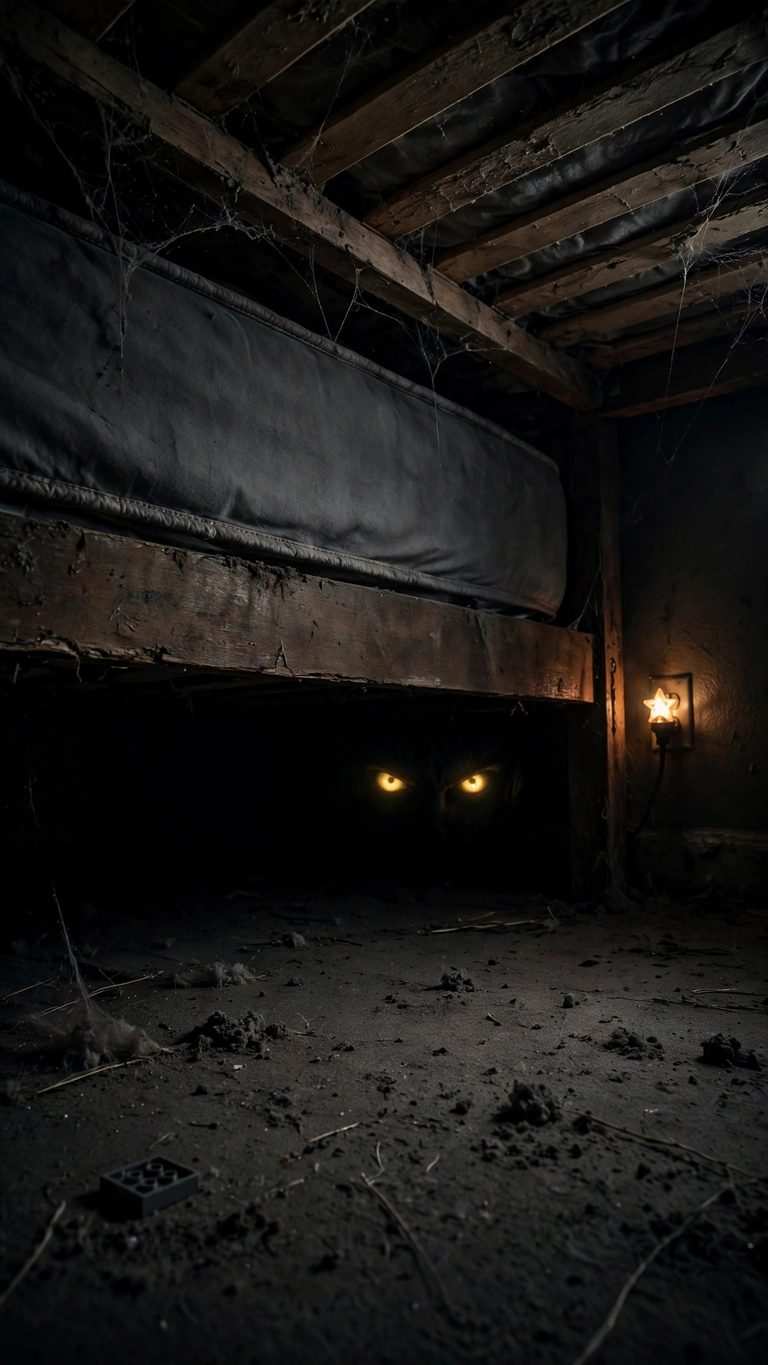
Every adult on earth knows this ritual. You are small, the bedroom is dark, and the space under the bed is not empty — it cannot be empty, because you can feel it watching. So you do what every child has done since the beginning of time: you lower your head, lift the blanket’s edge, and look. Two glowing eyes open in the darkness. Claws scrape slowly across the floorboards toward you. The nightlight in the corner flickers, stutters, dies — and then it lunges. This AI horror prompt rebuilds the most universal childhood fear ever documented and aims it straight at the viewer’s nervous system, all from the child’s own point of view. Eight seconds. No buildup wasted, no mercy at the end. It works because every single viewer has already lived the first seven seconds of this video in their own childhood bedroom — the AI just supplies the eighth.
The Prompt
Copy the prompt below exactly as written and paste it into your AI video generator. It stages a complete scare arc — dread, escalation, blackout, lunge — in one eight-second shot:
Terrifying child's POV looking under the bed in a dark bedroom, two glowing eyes opening in the darkness, claws scratching floor, nightlight flickering, sudden lunge, horror short, ultra realistic
Why This Prompt Works
The monster under the bed is not just a fear; it is arguably the first fear. Developmental psychologists note that fear of the dark and of unseen presences beneath or behind furniture emerges in early childhood across every culture studied — which means this prompt’s audience is literally everyone who was ever a child. That universality is a distribution superpower. When a viewer watches this clip, they are not processing a fictional scenario; they are reactivating a personal memory. The glowing eyes opening in the darkness do not need world-building or explanation because the viewer’s own childhood already built the world. Nostalgia is usually a warm emotion, but weaponized nostalgia — the corruption of a memory everyone shares — is one of the most potent engagement triggers in short-form content.
The child’s POV is doing critical psychological work. An adult looking under a bed is investigating; a child looking under a bed is vulnerable, small, and already convinced of what they will find. The low camera angle, the slight tremble, the blanket edge framing the top of the shot — every element tells the viewer’s body that they are small and the thing in the dark is not. Then the prompt escalates with masterful scare architecture: the eyes open first (recognition — it is awake), the claws scratch toward the camera (approach — it is coming), the nightlight flickers and dies (abandonment — your one protection just failed), and the sudden lunge (the strike). That four-beat escalation mirrors the exact structure of a panic attack, which is why viewers describe feeling this clip physically. The nightlight detail deserves special attention: a nightlight is a child’s trust object, a tiny sun that keeps the dark at bay. Killing it on camera is a betrayal beat, and betrayal amplifies every scare that follows.
On platforms, childhood-fear horror is evergreen content with a built-in comment engine. Viewers do not just react to this clip — they confess. “I used to make my mom check under the bed every night,” “I slept with the blanket over my head until I was 12,” “why did this unlock a memory” — the comment section becomes a group therapy session for a shared trauma, and each confession keeps the video circulating. The jump-scare ending guarantees the replay loop: viewers rewatch to brace themselves, to show friends, to catch the exact frame of the lunge. Eight seconds is the ideal container — short enough that the dare (“watch this alone at night”) feels survivable, which means more people accept it. The share copy writes itself: tag the sibling you used to terrify, tag the friend who still sleeps with a light on.
How to Use This Prompt
Open Veo 3, Runway, Kling, Pika, or Sora and configure a 9:16 vertical canvas at 8 seconds. POV quality varies significantly between tools, so if yours offers a first-person or handheld camera mode, enable it — the shot must feel like a child’s head lowering toward the floor, slightly unsteady, close to the carpet. Paste the prompt exactly as written, with a negative prompt of “adult, cartoon, bright lighting, daytime, static camera” to lock in the nighttime vulnerability and the unbroken take. Generate five or six versions. Your selection criteria, in order: the glowing eyes must open with a beat of delay after the camera settles (anticipation before revelation), the claw scratches must track toward the viewer (approach vector matters), and the lunge must fill the frame violently in the final second. A weak lunge kills the clip; do not compromise on it.
Sound design here is about texture and betrayal. Start with the intimate audio of a child’s bedroom at night: soft breathing (slightly too fast), the rustle of the blanket being lifted, the creak of small knees on a mattress. The claws need a dry, woody scrape — drag a fork across a wooden table and record it, or source it royalty-free — panned to creep from one ear toward center as they approach. The nightlight gets a warm electrical hum that sputters and dies with the flicker; that hum’s death should be audible, a tiny sound carrying enormous meaning. Then the lunge: a sub-bass impact layered with a shrieking scrape, peaking hard but briefly. Export at 1080×1920 and post between 9 PM and 11 PM local time. Caption it “POV: you’re 7 years old and you heard scratching” — specificity of age makes the memory hit harder — with horror, jump-scare, and nostalgia-tinged hashtags.
Pro Tips & Creative Variations
Directorial nuance will separate your version from the dozens of imitators. First, choreograph the eye-open beat: the camera should settle under the bed, hold on pure darkness for one full second — one second of nothing, where the viewer is begging for something to happen — and then the two eyes open. That held breath of darkness is the difference between a startle and a scare. Second, keep the monster partially unseen even during the lunge. A fully rendered creature invites critique of the CGI; a lunging mass of darkness with glowing eyes and visible claws lets every viewer project their own childhood monster onto it. The audience’s imagination has a bigger effects budget than any AI model.
The series potential is enormous because childhood bedrooms are full of fear locations waiting for installments. Build “The Bedroom at 3 AM” as a series: episode one is under the bed, episode two is the closet door slowly opening by itself, episode three is the hallway outside the bedroom where small wet footprints lead away from the door. Post them on consecutive nights and watch followers accumulate between episodes — serialized childhood horror creates appointment viewing. For standalone variations, age the concept up: the same under-the-bed scare from an adult’s POV hits differently, because the horror becomes “it never left” rather than “it might be there.” Or flip the perspective entirely — the monster’s POV watching the child’s eyes peer under the bed — a single twisted installment that will dominate your comments. Seasonal spikes are free: this clip overperforms every Halloween, so bank a polished version and repost it annually with fresh sound design.
Engagement engineering for this format leans on confession and dare mechanics. Pin a comment asking “what was YOUR under-the-bed monster?” — the replies will be a goldmine of childhood fears that double as prompts for your next videos. You are literally crowdsourcing your content calendar from the comment section. For duet bait, post with “stitch your reaction when the eyes open” — reaction videos to this specific scare perform exceptionally well because the scare is so cleanly timed. Thumbnail strategy: freeze the frame where the two glowing eyes first open in the blackness, nothing else visible. Two dots of light in total darkness is an irresistible pattern-interrupt in a bright feed. And one ethical pro tip that also helps performance: add “jump scare warning” to your caption. It costs you nothing, protects sensitive viewers, and paradoxically increases clicks — warnings are dares in disguise.
Frequently Asked Questions
Q: The lunge looks fake in my generations. How do I make it scarier?
A: The lunge fails when the model tries to render a detailed creature mid-motion. Constrain it: add “motion blur, dark silhouette, indistinct” to push the AI toward speed and darkness rather than detail. Generate with the lunge occupying only the final 8-10 frames so the model has less time to resolve anatomy. In editing, you can enhance the impact with a two-frame white flash and a hard zoom punch at the lunge moment — the viewer’s startle reflex responds to sudden scale and brightness change more than to creature design.
Q: Can I use a real child’s bedroom photo as a reference image?
A: Image-to-video with a reference photo of a bedroom (no people in it) is an excellent approach and most major tools support it — it grounds the AI in a real, relatable space. Use a photo of an actual bedroom interior, ideally dimly lit, and let the model generate the under-bed darkness, eyes, and lunge from the text prompt. Avoid using photos of real children as references; keep the “child” purely a camera perspective, which is both safer and scarier.
Q: Why does this specific fear work on adults who know monsters aren’t real?
A: Because the fear was encoded before rationality arrived. Childhood fears live in the emotional memory systems that formed years before the prefrontal cortex finished developing, which means adult logic cannot fully veto them. The glowing eyes and scratching claws bypass the thinking brain and speak directly to the four-year-old who was certain something lived under the bed. Every adult viewer intellectually knows it is an AI video — and their nervous system does not care.
Q: Will a jump scare this intense get age-restricted or demonetized?
A: A non-graphic jump scare — sudden motion and sound with no gore, injury, or realistic suffering — is standard horror content and generally fully monetizable on TikTok, Reels, and Shorts. Keep the monster suggestive rather than bloody, include the jump-scare warning in your caption, and avoid targeting the video at young children in your settings or hashtags. The childhood framing is nostalgic for adults; make sure your presentation keeps it that way.
Two glowing eyes. Scratching claws. A nightlight that dies when you need it most. This prompt turns the first fear you ever felt into eight seconds of pure viral horror — generate your takes, time the lunge, post it after dark, and ask your audience what their monster looked like. Then get under the covers and try this prompt tonight.
Related Viral Prompts
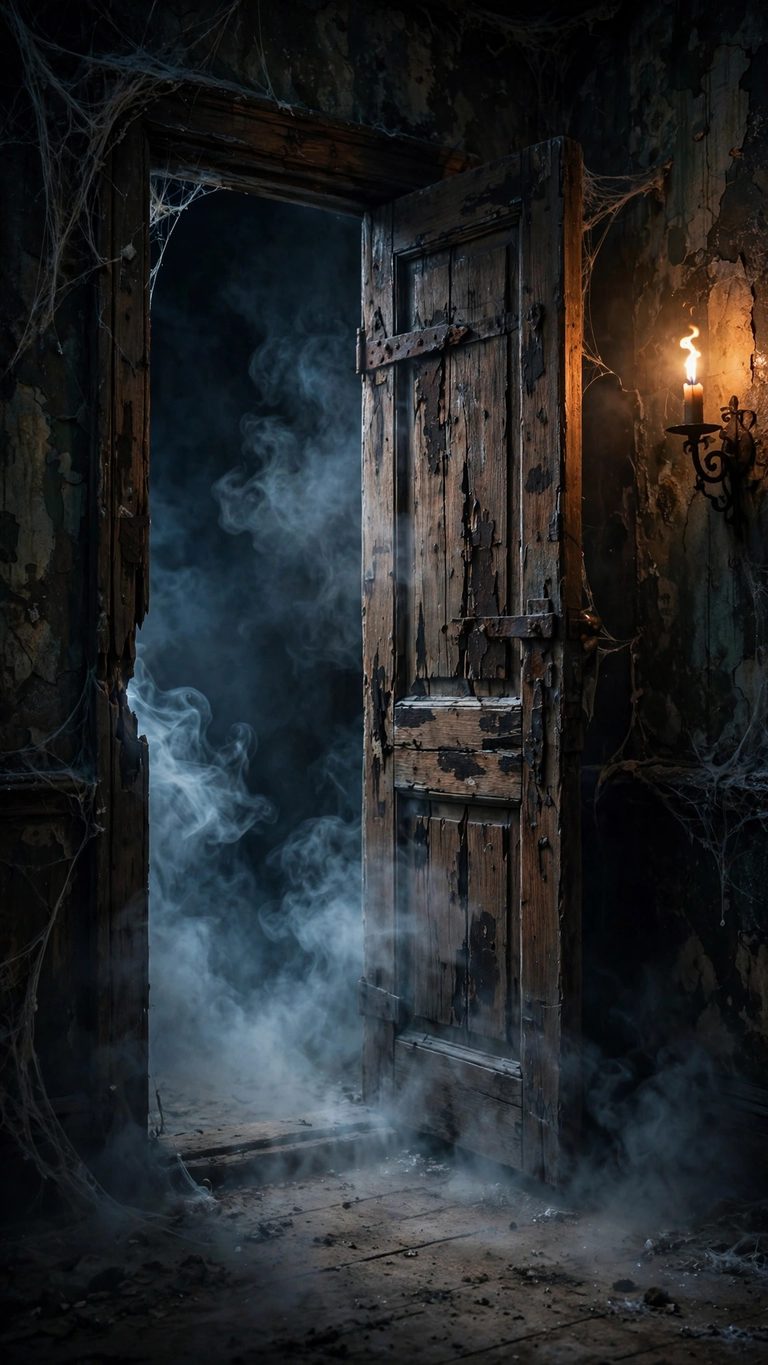
- Haunted House Door Creaks Open Alone: Viral AI Horror Video Prompt for a Bone-Chilling Cinematic Short (Free)
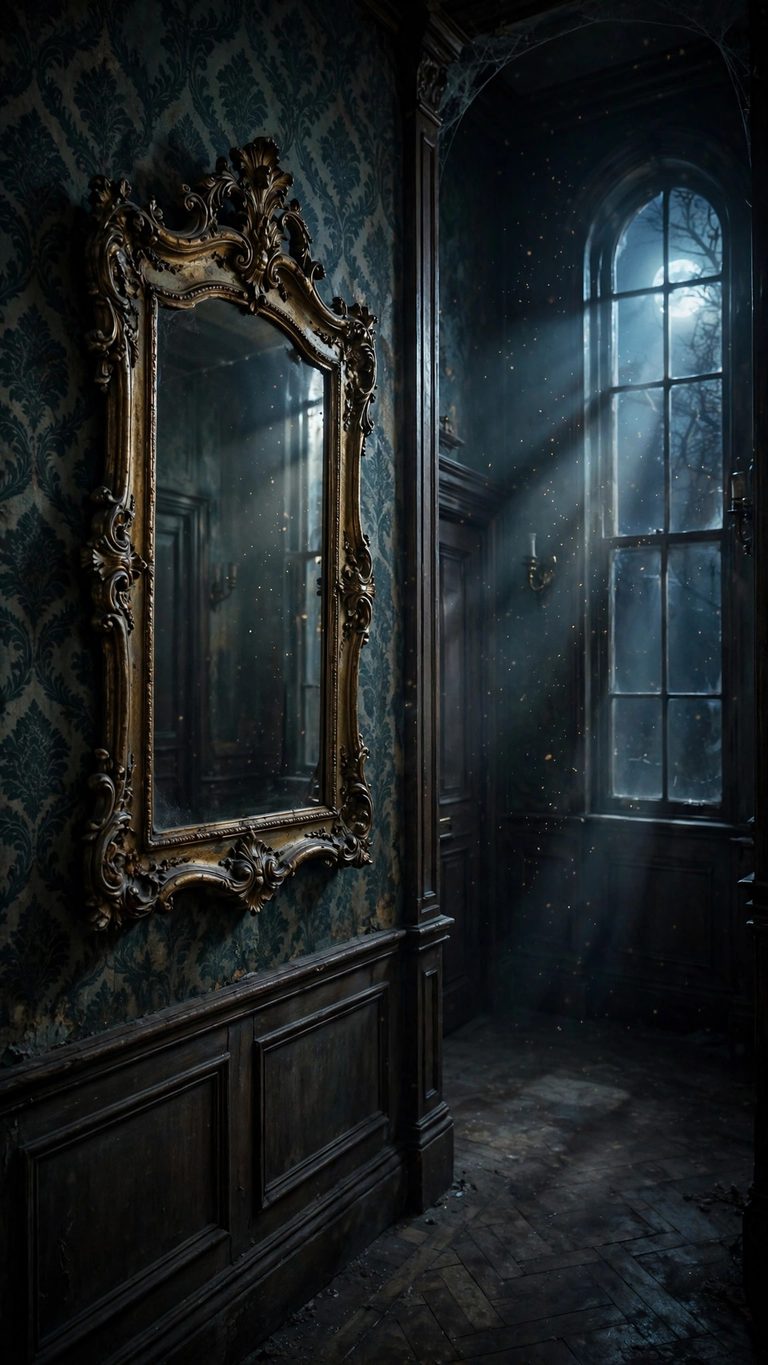
- Shadow Figure in the Mirror Behind You: Viral AI Horror Jump Scare Video Prompt for TikTok & Reels (Free)
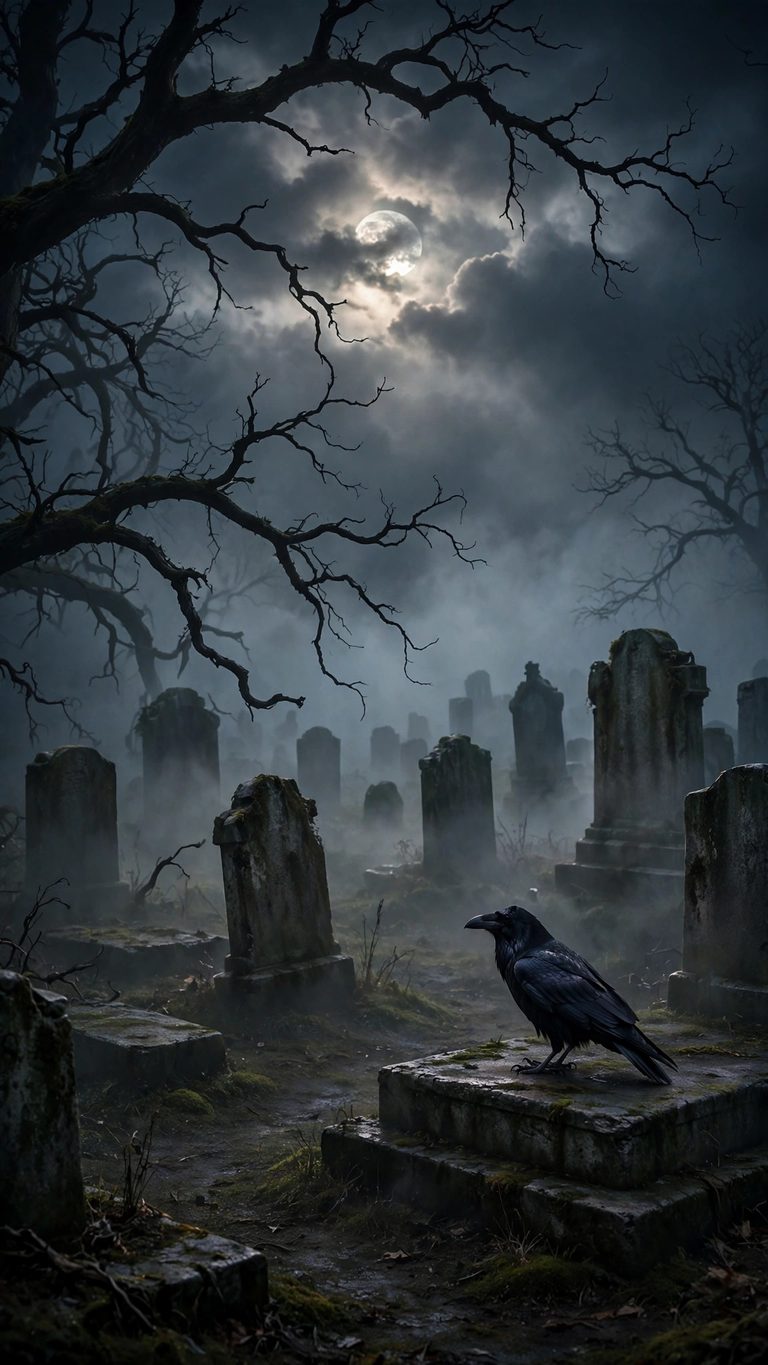
- Foggy Graveyard at Midnight: Viral AI Gothic Horror Video Prompt With Full Moon, Mist & Ravens (Free)
# A I V i d e o # P r o m p t B a z a r # M o n s t e r # B e d r o o m # J u m p S c a r e

Leave a Reply