
Introduction
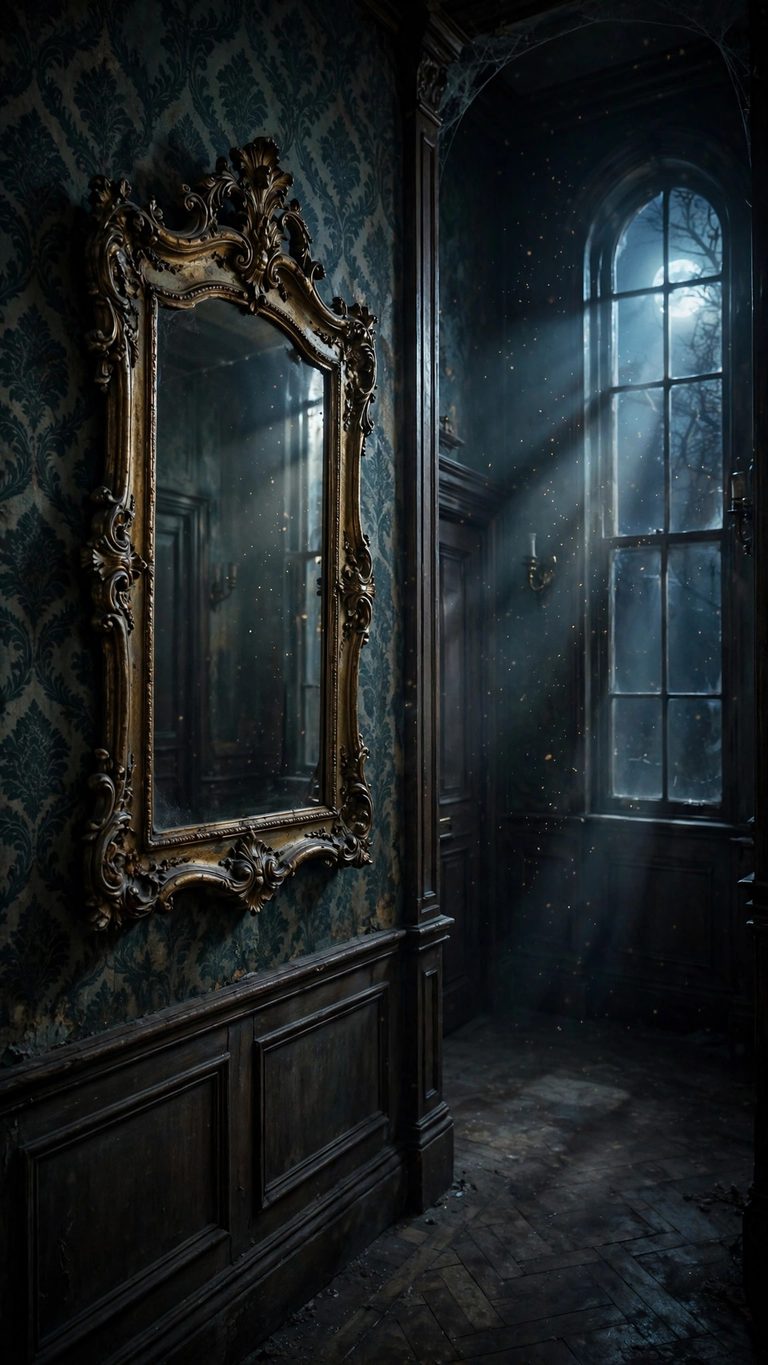
The most frightening horror scenes are not the ones set in castles or graveyards. They are the ones set in your bathroom. This prompt takes the most ordinary moment imaginable, a person brushing their teeth in a dark bathroom, and corrupts it in the reflection: the mirror shows a shadow figure standing right behind them, the lights flicker, and then comes the sudden scare. It is a violation of the safest room in the house, and that is exactly why mirror horror has haunted short-form video for years. Every viewer has brushed their teeth in front of a mirror at night, which means every viewer instantly projects themselves into this clip. The eight seconds it takes to watch are eight seconds of their own routine turning against them. In this article you will get the exact AI video prompt for this mirror jump scare, a breakdown of the psychology that makes reflection horror so shareable, a step-by-step generation workflow for Veo 3, Runway, Kling, Pika, and Sora, plus sound design tricks and sequel formats that can build a whole jump-scare series around the figure in the glass.
The Prompt
Copy and paste this exact prompt into your AI video generator:
Creepy scene of a person brushing teeth in a dark bathroom, mirror reflection showing a shadow figure standing behind them, lights flickering, sudden scare, horror short style, ultra realistic
Why This Prompt Works
This prompt works because it combines three of the most powerful engagement mechanics in short horror: relatability, the mirror trope, and a timed jump scare. Relatability comes first. Brushing teeth is so mundane that the viewer emotional guard is completely down, which makes the reveal hit far harder than the same scare in an obviously spooky setting. Horror creators call this the safe space violation, and it is the same reason bedroom and bathroom scares outperform dungeon scares in audience testing. The mirror trope comes second. Mirrors carry centuries of folklore, from Bloody Mary to urban legends about reflections moving on their own, so the audience arrives pre-primed to be afraid of what the glass shows. When the reflection reveals a shadow figure that is not in the room, the brain has to resolve an impossible contradiction, and that cognitive glitch is deeply unsettling. Third, the lights flickering act as a tension metronome: each flicker is a tiny promise that something is about to happen, training the viewer to hold their breath. Then the sudden scare cashes in all that stored tension at once. On TikTok, Reels, and Shorts, the jump-scare format is practically its own genre, with reaction duets and did you see it comment threads driving enormous engagement. The genius of this prompt for shareability is the rewatch factor: viewers immediately replay the clip to freeze-frame the shadow figure, and many will send it to friends with a dare to watch it alone. Comments explode with timestamps, theories about the figure, and demands for a part two, which is exactly the comment velocity that pushes horror clips onto the For You page.
How to Use This Prompt
Timing is everything with a jump scare, so generate with intention. Open Veo 3, Runway, Kling, Pika, or Sora and paste the full prompt exactly as written, keeping the sequence of beats intact: the mundane brushing action, the mirror reflection reveal, the flickering lights, and the sudden scare. Set 9:16 vertical framing and an 8-second duration, and frame the shot so the mirror dominates the frame with the person visible in the foreground, because the scare lives in the reflection, not in the room. If your tool lets you weight prompt sections, emphasize mirror reflection showing a shadow figure standing behind them so the figure renders clearly instead of as a blur. Generate several takes and choose the one where the figure appears gradually, perhaps visible only in flicker frames at first, rather than popping in instantly. A figure that is half-glimpsed is scarier and generates more did you see it comments than one shown plainly. In your editor, keep the first five seconds nearly silent except for the toothbrush and a faint electrical hum, then hit the scare beat with a sharp audio spike. Post late in the evening, between 8 PM and 11 PM local time, when your audience is scrolling in the dark and their startle reflex is at its peak. Hashtags like #jumpscare #horror #mirror #creepy #scary will help the algorithm sort your clip into horror feeds.
Pro Tips & Creative Variations
The number one rule of jump-scare sound design is contrast: the scare is only as loud as the silence before it is quiet. Drop your ambient audio to near-silence for the two seconds before the reveal, then strike with a single sharp impact, a metallic crash, or a distorted scream, and cut it off fast. Lingering on the loud noise feels cheap; a quick spike feels like a real shock. For variations, the escalating series format is pure gold: post three clips over three nights where the shadow figure stands a little closer in the mirror each time, until the final clip where the person turns around and the room is empty. Viewers will binge your profile to follow the arc. You can also relocate the trope: the same prompt structure works with a hallway mirror, a car rearview mirror at night, or a darkened storefront window, each giving you a fresh video from one concept. A reflection smile variant is another proven performer, where the person reflection smiles while their real face stays neutral. To farm engagement deliberately, post a version where the figure is extremely subtle and pin a comment asking did anyone else see it at 0:06, which will ignite a freeze-frame hunt in your comments. One caution: add a brief jump scare warning in your caption for accessibility. It costs you nothing, it keeps sensitive viewers safe, and it paradoxically makes everyone else more excited to watch.
Frequently Asked Questions
How do I make sure the shadow figure actually appears in the render?
Q: Sometimes the AI just shows a normal mirror. How do I fix that?
A: Mirror reflections are a known weak point for video models, so be explicit and generate multiple takes. Emphasize the reflection beat in the prompt, and if your tool supports image-to-video, generate a still frame of the scene first, verify the figure is in the mirror, then animate it. Five takes to get one perfect scare is a normal ratio.
Should the scare happen at the very end?
Q: Where in the 8 seconds should the jump scare land?
A: Aim for the 6 to 7 second mark. The first five seconds build the routine and the flicker tension, the scare hits, and the final second is the aftermath that viewers replay. Scares placed too early feel unearned, and viewers scroll past.
Will jump scares get my video flagged?
Q: Can jump-scare content get removed or age-restricted?
A: A standard startle scare with no gore is generally fine on all major platforms, but always include a jump scare warning in your caption. Warnings protect photosensitive and anxious viewers, and platforms favor creators who self-label intense content.
Can I build a series around the shadow figure?
Q: How do I turn this one clip into ongoing content?
A: Give the figure continuity: same silhouette, same bathroom, each episode bringing it closer or revealing a new detail like glowing eyes. Number the episodes and end each with a cliffhanger. Serialized horror builds followers far faster than one-off scares.
The mirror jump scare is horror most democratic format: everyone has a bathroom, everyone has a mirror, and everyone will flinch. Copy this prompt, generate your takes until the shadow figure lands perfectly, mix that silence-then-spike audio, and post it after dark. Your comments section is about to become a freeze-frame investigation, and that is exactly how horror clips go viral.
Related Viral Prompts
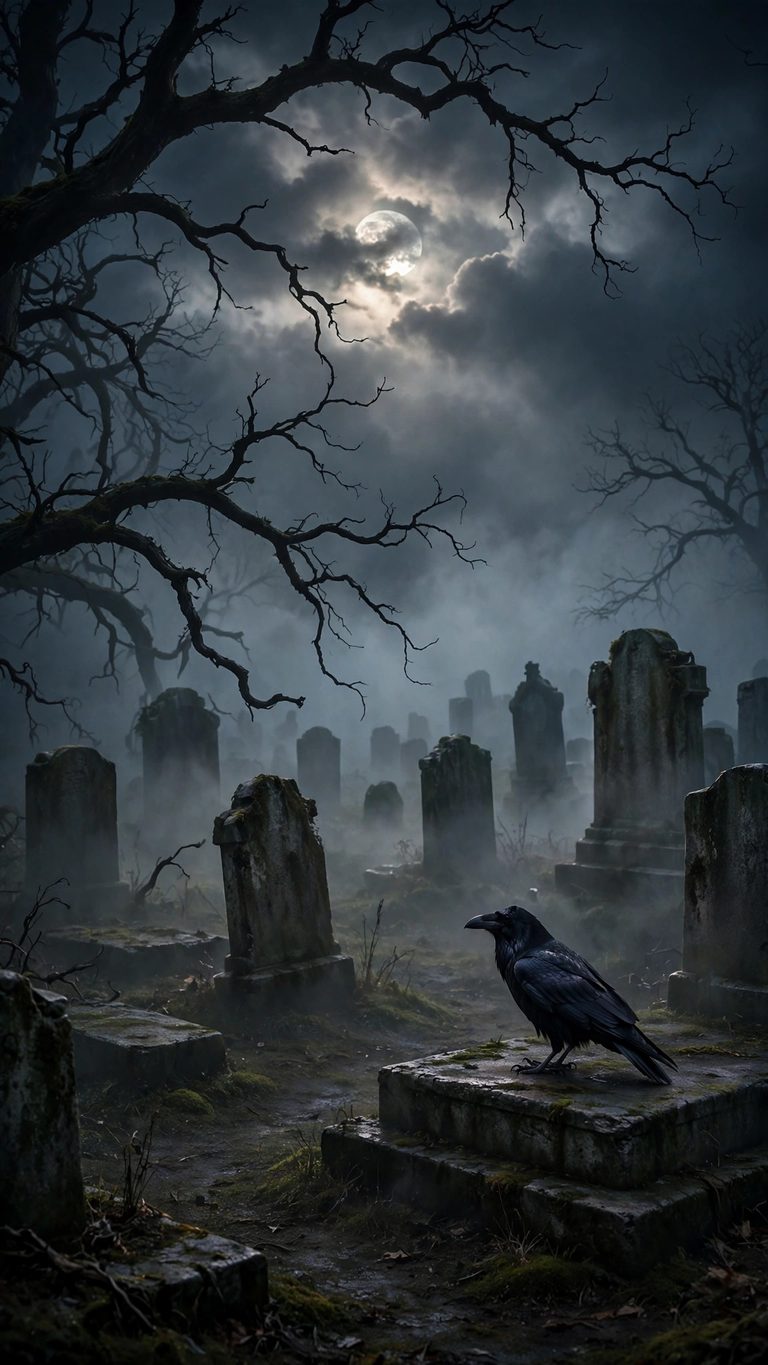
- Foggy Graveyard at Midnight: Viral AI Gothic Horror Video Prompt With Full Moon, Mist & Ravens (Free)
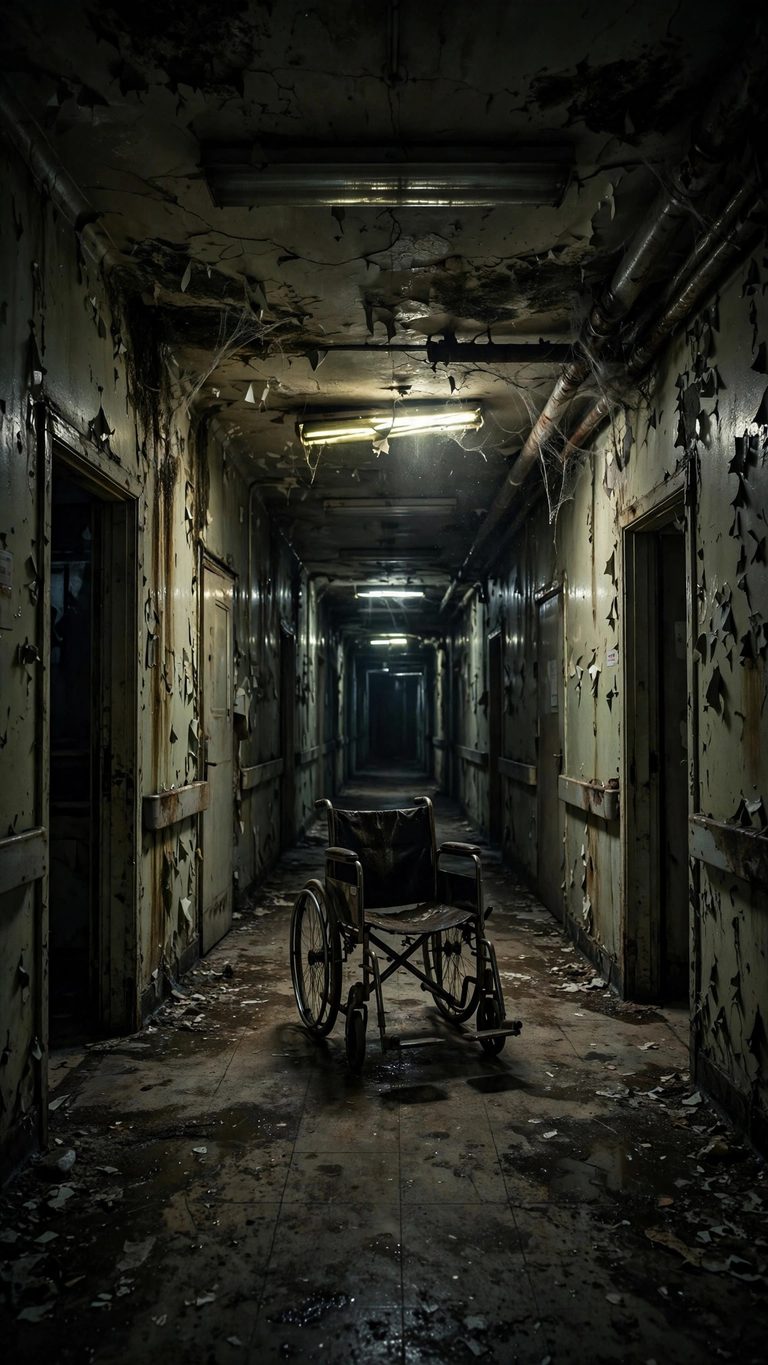
- Abandoned Hospital Corridor Walk: Viral Found-Footage AI Horror Video Prompt With Moving Wheelchair (Free)
- Creepy Doll Eyes Follow the Camera: Viral AI Horror Video Prompt for a Subtle Chilling Horror Short (Free)
# A I V i d e o # P r o m p t B a z a r # H o r r o r # J u m p S c a r e # C r e e p y

Leave a Reply