
Introduction
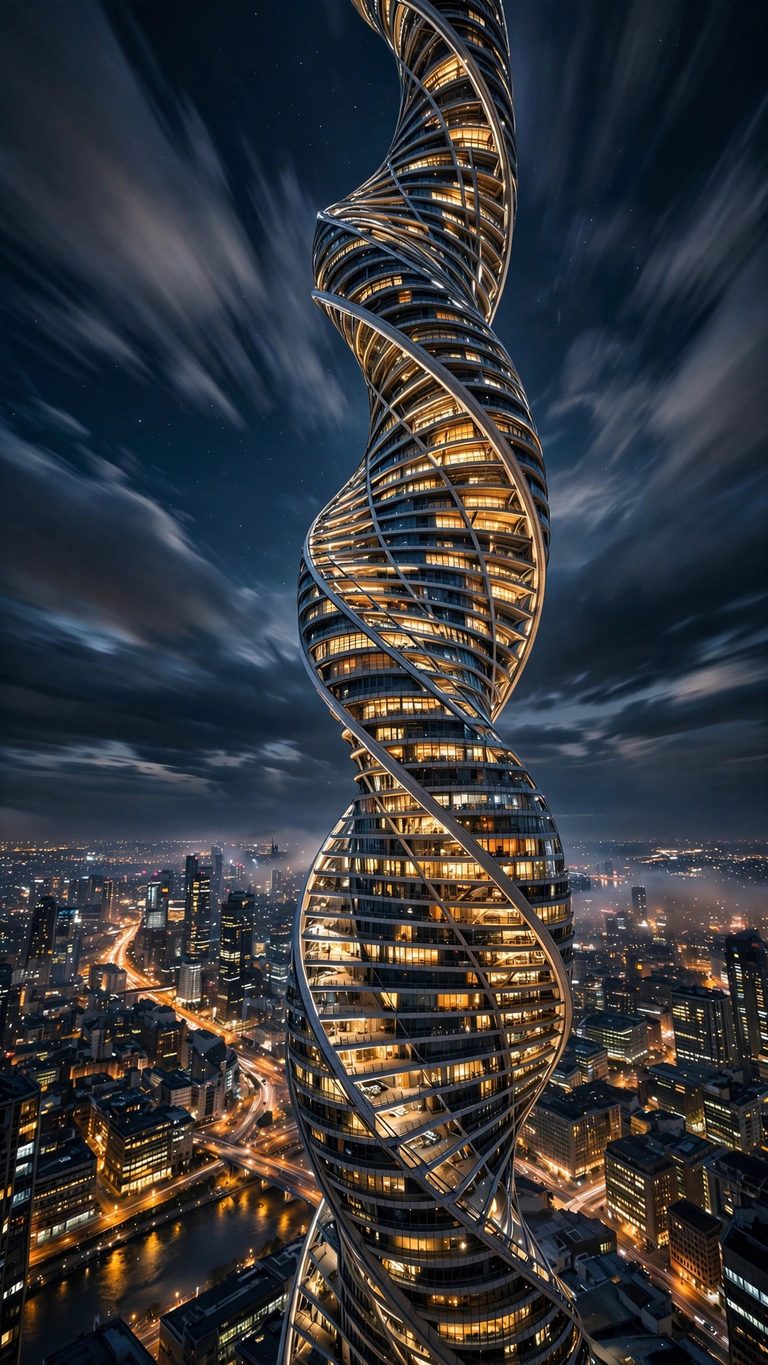
Some buildings do not just stand; they move, or at least they seem to. A twisting helix skyscraper is architecture as sculpture, each floor rotated a fraction from the one below until the whole tower corkscrews into the sky. Now set a camera in slow orbit around it, compress a full day into ten seconds, and watch the impossible happen: as daylight drains away and city lights bloom below, the tower appears to rotate with the camera, a double helix of motion that hypnotizes the eye. Clouds streak overhead in long ribbons, the facade shifts from silver to amber to electric blue, and by nightfall the twisted tower stands glowing like a beacon over a sea of lights. This is architectural marvel in motion, the kind of footage that makes viewers stop, rewatch, and ask how it was made. Real-world versions require helicopters, permits, and perfect weather; this prompt hands you the shot from your desk, tuned for the vertical screen and the ten-second loop.
The Prompt
Use this prompt exactly as written. It synchronizes the orbital camera, the day-to-night timelapse, and the helix geometry into one seamless motion.
Fascinating timelapse around a twisting helix skyscraper, camera orbiting as day becomes night, the tower rotating visually with the orbit, city lights blooming below, clouds streaking, architectural marvel in motion, ultra realistic, 8k, dynamic orbit, dynamic helical architecture marvel soars
Why This Prompt Works
This prompt is a masterclass in compounding motion. A static timelapse is already engaging, but here three motions layer together: the camera orbits, the clouds streak, and the day-night transition transforms the light. The human visual system is drawn to complex, synchronized movement the way it is drawn to music; the result is genuinely hypnotic, and hypnotic content gets replayed, which is the single most valuable signal on short-form platforms. The twisting tower itself is the perfect subject because its geometry interacts with the orbit: as the camera circles, the helix appears to rotate, creating a mesmerizing illusion of the building spinning. That “wait, is it moving?” moment is pure share fuel, the kind of perceptual puzzle people send to friends. Day-to-night transitions, often called holy grail timelapses among photographers, carry a built-in narrative arc, the world transforming before your eyes, with a natural climax as the city lights bloom. The #TwistingTower and #Architecture framing taps into a thriving community of architecture enthusiasts who collect and share images of the world’s most daring buildings, from Turning Torso to the Shanghai Tower. “Ultra realistic” and “8k” keep the helix crisp, which matters because the twist geometry is the star; any melting or warping would break the illusion instantly. The orbit framing also differentiates this from the sea of static skyline timelapses: motion plus transformation plus an impossible building is a combination few creators are publishing, giving early adopters a genuine novelty advantage.
How to Use This Prompt
Paste the prompt into Veo 3, Kling, Runway, Pika, or Sora with a 9:16 vertical canvas and a 10-second duration to give the day-night arc room to breathe. If your tool offers orbit or camera-path controls, a slow, steady circular path is ideal; keep the speed constant so the timelapse feels smooth rather than rushed. Generate three or four variations, judging each on two things: the coherence of the helix twist throughout the orbit, and the beauty of the dusk transition when city lights bloom. In post, a subtle speed consistency check helps; some generators wobble the orbit, which you can stabilize in your editor. Sound design options include a rising synth pad that crests as night falls, or a time-lapse classic: accelerated city ambience. Add a minimal caption naming the effect, like “a full day around the twisted tower,” since explaining the impossible boosts shares. Export at maximum resolution; the streaking clouds and blooming lights deserve every pixel.
Pro Tips & Creative Variations
The orbit-timelapse formula is a franchise waiting to happen. Apply it to other kinetic architectures: a spiraling observation tower, a cantilevered skyscraper, a stadium with a retractable roof caught mid-transformation. Each new building is a new episode for an “Architecture in Motion” series. Vary the time arc: a storm rolling through during the orbit adds drama, while a sunrise arc, night-to-day, feels hopeful and fresh. Weather variations multiply the content: “snow swirling around the helix” for winter, “monsoon clouds boiling overhead” for intensity. Camera experiments include tightening the orbit for a more dizzying spin, or combining a slow orbit with a gradual ascent so the camera spirals upward alongside the tower’s twist, a double-helix camera move that is almost hallucinatory. For maximum viral potential, lean into the illusion: captions like “The building is NOT spinning” invite comments and debates, and comment velocity drives reach. Colorists can push the night grade toward cyberpunk neon or keep it warm and golden; both read beautifully against the helix. Pair the clip with trending audio that has a build-and-drop structure to mirror the day-night arc. And consider a split-screen variation: the same orbit rendered at dawn on one side and midnight on the other, a comparison format that performs exceptionally well for architecture nerds and casual viewers alike.
Frequently Asked Questions
How do I keep the helix from warping during the orbit?
Twisting geometry is demanding for AI models. Keep the ‘ultra realistic, 8k’ and ‘dynamic helical architecture’ phrasing intact, generate multiple takes, and select the one where the twist stays consistent. Shorter, smoother orbits drift less than fast ones.
Which AI video tool handles orbital camera moves best?
Kling and Runway offer the most controllable camera paths for orbits. Veo 3 produces beautiful day-night lighting transitions. Test the same prompt in two tools and composite the best orbit with the best lighting if you are ambitious.
Can this work as a seamless loop?
Yes, with care. The day-night arc makes a true loop tricky, but you can ping-pong the clip (play forward then reverse) or crossfade night back to day for a dreamlike cycle. The orbit motion itself loops naturally, which helps.
What audience does twisting-tower content attract?
Architecture enthusiasts, engineering fans, city-lovers, and AI art followers form the core audience, with strong crossover to travel and futurism niches. The #Orbit and #TwistingTower tags help the algorithm place it with viewers who binge this genre.
A twisting tower, a slow orbit, and a full day collapsing into ten seconds: this AI video prompt turns architecture into pure motion. Generate your helix timelapse, watch day surrender to night, and share a marvel that looks impossible because, until now, it nearly was.
Related Viral Prompts
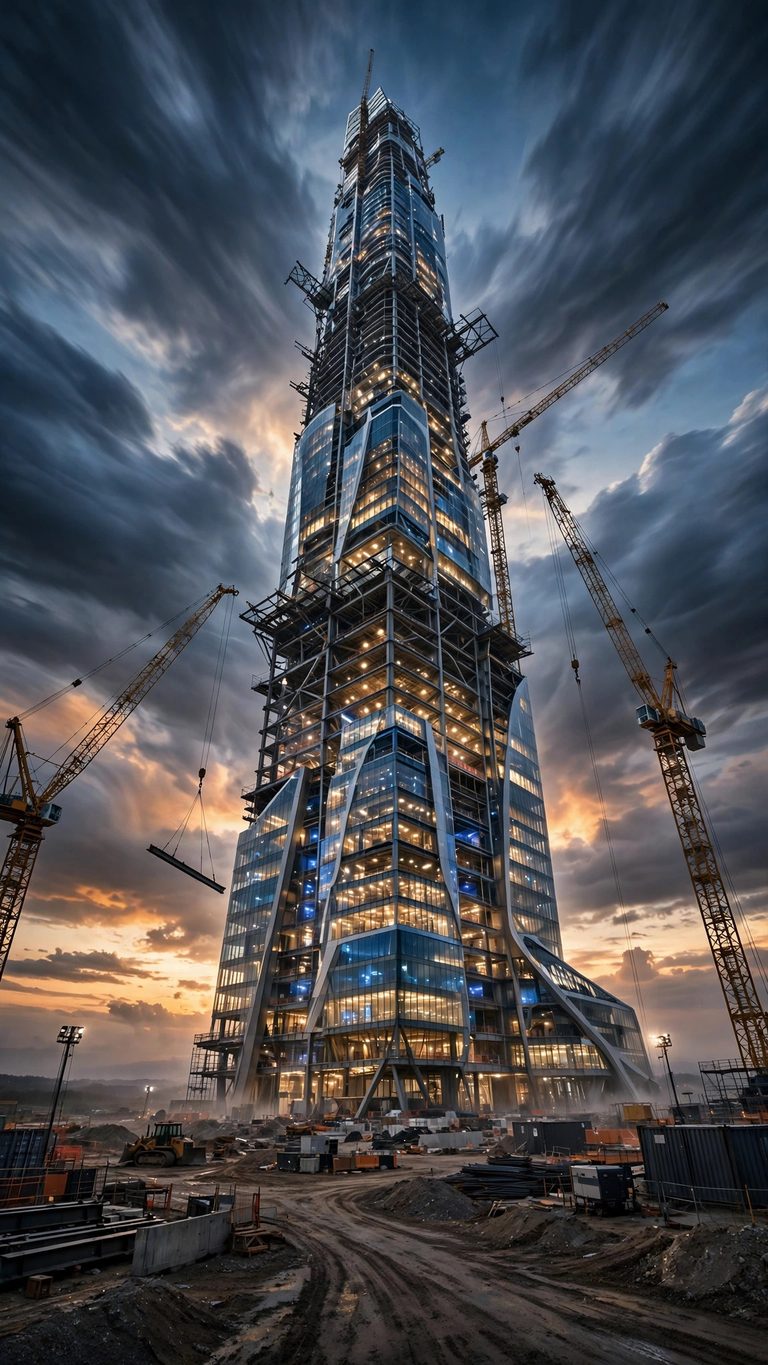
- AI Photo Prompt for Skyscraper Look-Up Shots: Create Stunning Symmetrical Glass Tower Architecture Photos
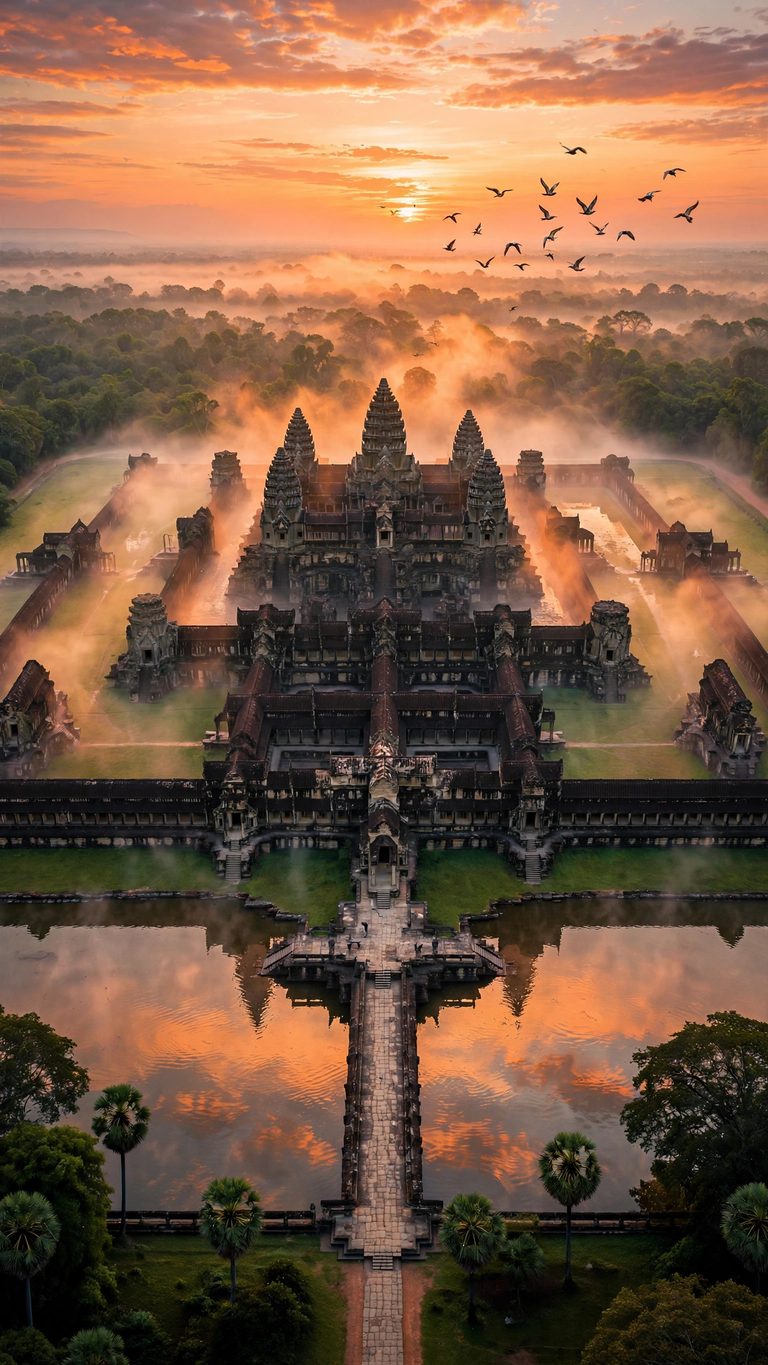
- AI Photo Prompt for Temple Carving Macro Shots: Capture Ancient Stone Detail in Ultra-Detailed Heritage Photos
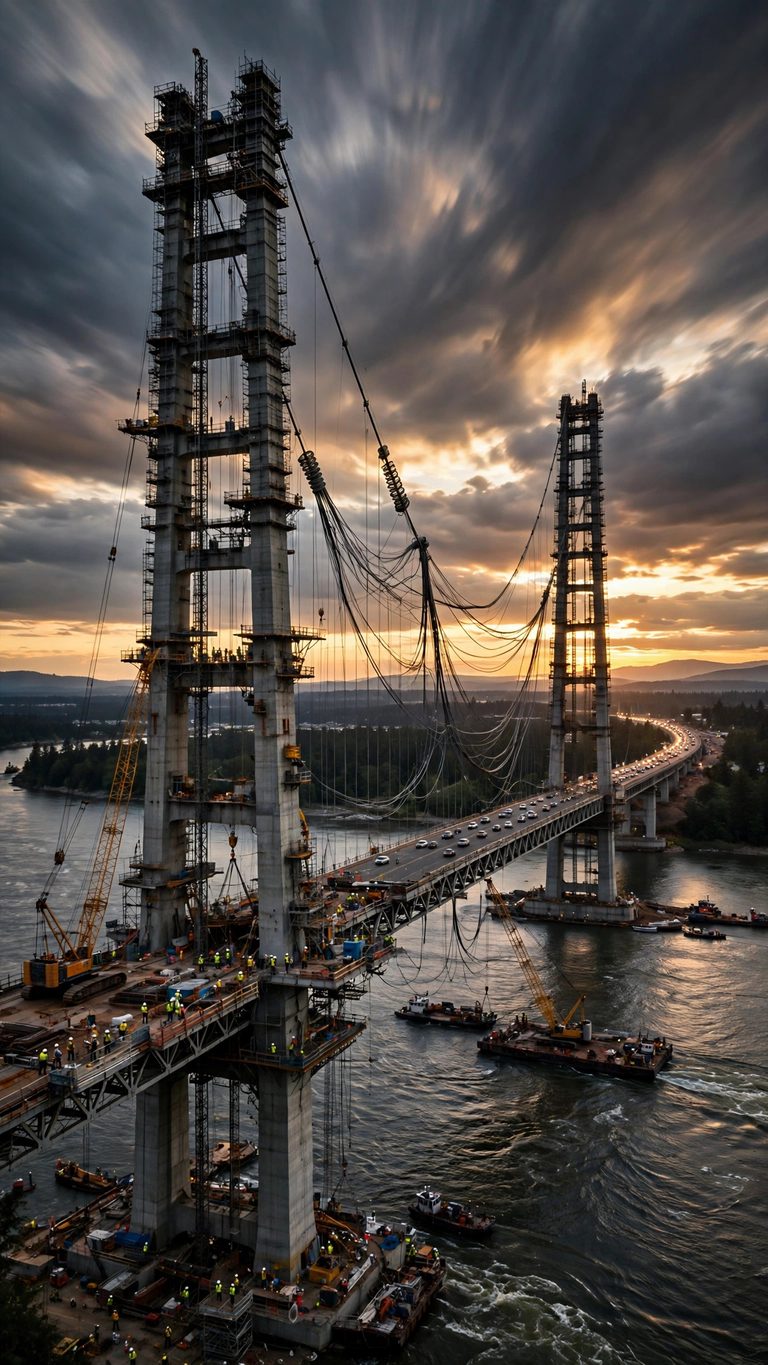
- AI Photo Prompt for Bridge Night Long Exposure: Stunning Light Trails Over Water in Cinematic Night Photos
# A I V i d e o # P r o m p t B a z a r # T w i s t i n g T o w e r # O r b i t # A r c h i t e c t u r e

Leave a Reply