
Introduction
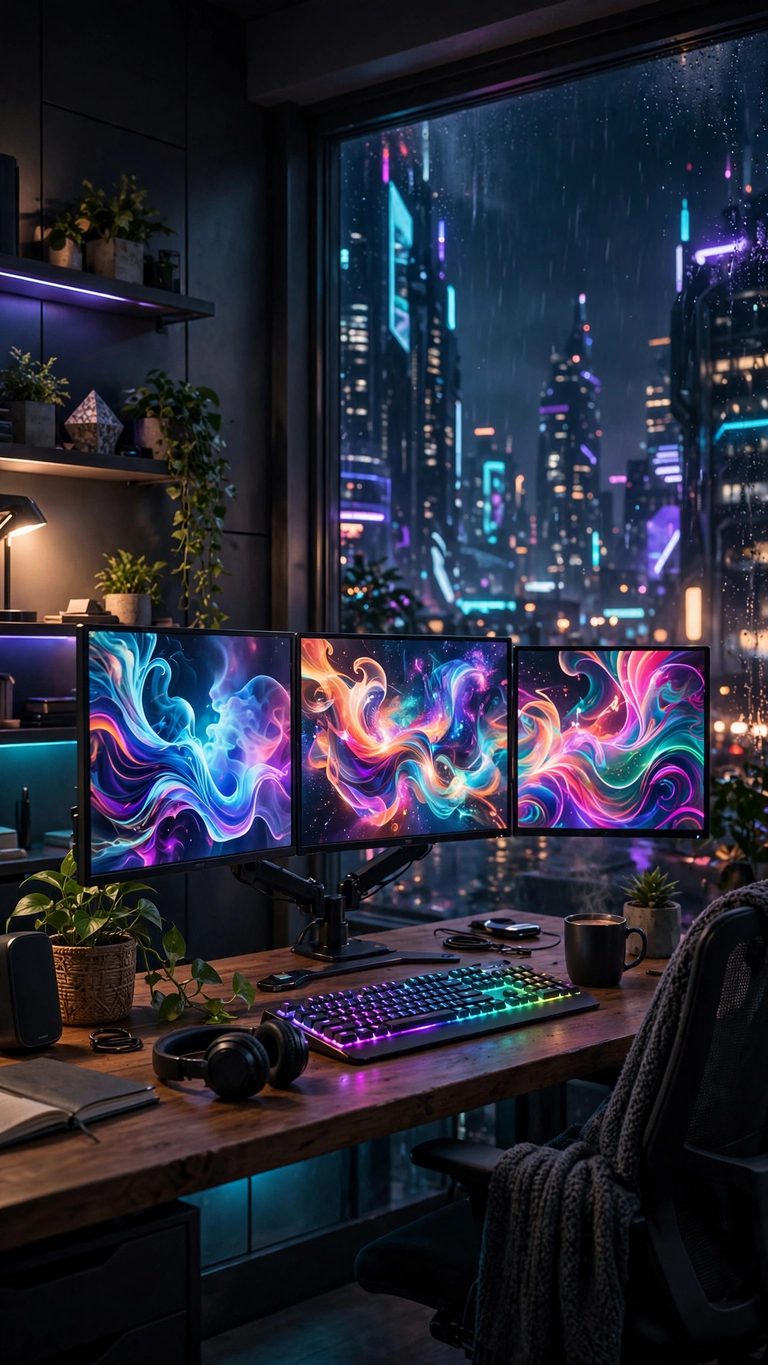
Somewhere in the lower levels of the city, behind a door with no sign, a hooded figure types furiously while walls of monitors paint the darkness green. Code scrolls. A city map pulses with tracked signals. Cigarette smoke curls through terminal light, rain hammers the window, and the camera circles the desk like it is afraid to get too close. This AI Video Prompt does not give you a place; it gives you a situation, and situations are what keep viewers watching.
The hacker den is one of cinema’s most durable rooms, from WarGames to Mr. Robot, because it compresses an entire thriller into a single location: a lone operator, impossible stakes, a glowing screen standing between order and chaos. In short-form video, that compression is gold. Eight seconds inside this room delivers tension, mystery, and atmosphere without a single word of dialogue. The #Hacker and #Thriller tags have a devoted audience that replays these clips like they are studying them, and this prompt hands you the definitive version: green terminal light, circling camera, rain on glass, and a figure whose face you never quite see.
The Prompt
Copy the prompt below exactly as written, paste it into your AI video generator, and step inside the den:
Tense cyberpunk scene inside a dark hacker den, a hooded figure typing furiously surrounded by walls of glowing monitors showing code and city maps, cigarette smoke curling through green terminal light, camera slowly circling the desk, keyboard clicks echoing, rain hammering the window, gritty underground mood, ultra realistic, cinematic
Why This Prompt Works
This prompt works because it is built on dramatic irony: the viewer knows something big is happening, but not what. A hooded figure typing furiously surrounded by walls of glowing monitors is a visual promise of stakes, and the human brain cannot resist an unresolved promise. We lean in because we need to know what is on those screens. That curiosity gap is the engine of every thriller ever made, and this prompt installs it in eight seconds. The #Thriller audience does not just watch these clips; they investigate them, pausing and replaying to read the code.
The sensory layering is doing heavy lifting too. Green terminal light is not a random choice: green-on-black is the ancestral color of computing, from phosphor terminals to The Matrix, so it triggers instant genre recognition. It also flatters darkness; green glow on a hooded face creates the classic underlit villain look without any complex lighting setup. Cigarette smoke curling through the light adds volumetric atmosphere that catches the glow and gives the air itself texture. Rain hammering the window contributes implied sound, and viewers will swear they can hear it, which deepens immersion. The camera slowly circling the desk is the masterstroke: an orbit feels investigative, even predatory, as if we are surveillance footage closing in. Movement with intent reads as story.
Culturally, the hacker mythos is evergreen. Every few years a new show or film reboots our fascination with the lone operator in the dark, and #AIVideo creators ride each wave with clips exactly like this. The gritty underground mood the prompt specifies keeps the render away from glossy tech-bro aesthetics and inside the grime the #Cyberpunk community trusts. Ultra realistic and cinematic push the output toward film still rather than game cutscene, which matters because the hacker fantasy only works if the room feels like it smells of ozone and old coffee. Eight seconds is the perfect dose: long enough to absorb the tension, short enough to loop while the viewer tries to decode the screens.
How to Use This Prompt
Interior scenes reward careful setup. Step one: choose your generator. Veo 3 and Sora render the most convincing monitor glow and screen content; Kling handles the slow orbit smoothly; Runway lets you direct the circling camera precisely. Any of them can carry this prompt, but prioritize tools with good low-light performance, because this scene lives in darkness.
Step two: lock 9:16 vertical and 8 seconds per the settings. Vertical framing stacks the walls of monitors above and around the figure, turning the screens into a glowing cage, which is exactly the claustrophobic composition this concept needs. Step three: paste the prompt verbatim and add an interior-specific negative prompt, such as bright lighting, clean office, cartoon, blurry screens, warped hands. Hands typing are a known weak point for models, so keep the figure slightly silhouetted; the hood and darkness are your friends. Step four: render three to four seeds and choose the take where the monitor content looks most plausible and the orbit feels smooth rather than wobbly. Step five: finish with thriller-grade audio. Keyboard clicks echoing, rain hammering glass, a low tension drone that never resolves. Export at 1080×1920 and post with #Cyberpunk #Hacker #Thriller #AIVideo.
Pro Tips & Creative Variations
The den is a stage, so redress it. Swap the green terminal light for red alert lighting and the same room becomes a breach in progress; swap it for cold blue and it reads as a corporate espionage op. Each color grade tells a different story with zero new geometry, which makes this prompt a series machine. Try a variation where the monitors show a live map of the neon alley market or the flying taxi’s flight path, and suddenly your #Hacker episodes connect to your other #Cyberpunk clips in a shared universe.
Change the operator. A hooded figure is iconic, but an elderly hacker with augmented-reality glasses, a young woman with neural-port cables trailing from her shaved head, or a pair of operators back to back during a two-key launch sequence each bring fresh narrative energy. Keep the face obscured or half-lit; mystery is the product. You can also reverse the camera: instead of orbiting the desk, push slowly toward a single monitor until code fills the frame, then hard-cut to your next clip. That push-to-screen transition is a classic thriller edit that AI creators underuse.
Add a ticking clock. Prompt in a detail like a countdown timer reflected in the operator’s glasses or a progress bar crawling toward one hundred percent on the main screen, and the tension doubles instantly. Deadlines are the cheapest suspense there is. For the #Thriller community, pair the clip with on-screen text that withholds information: she found the backdoor, or 03:12 AM, the grid goes dark. Text that implies a larger story converts casual viewers into followers waiting for part two.
Finally, think in episodes. The hacker den is the perfect hub for a serialized #Cyberpunk saga: each episode opens in the den, the monitors reveal the next mission, and the final frame pushes into a screen that becomes the next clip’s first frame. That match-cut structure makes separate AI generations feel like one continuous film, and it is the single most effective trick for turning one-off viral clips into a bingeable series.
Frequently Asked Questions
Q: The hands typing look deformed. How do I avoid that?
A: Hands are a known model weakness. Keep the figure hooded and the lighting low so hands stay in shadow, add deformed hands, extra fingers to your negative prompt, and favor seeds where the typing is suggested by motion blur rather than crisp fingers. Darkness is your best VFX artist.
Q: The text on the monitors renders as gibberish. Does it matter?
A: Less than you think. At orbit speed, viewers perceive code as texture, not text. Add warped text, illegible code to the negative prompt for cleaner results, but embrace abstract scrolling glyphs; the #Hacker audience reads the mood, not the characters.
Q: Can I make a longer thriller sequence from this?
A: Absolutely. Render the orbit as your establishing shot, then generate inserts: a close-up of the main monitor, the rain-streaked window, the countdown timer. Cut them together with keyboard-click audio and you have a thirty-second thriller cold open from one prompt family.
Q: Why does the slow orbit matter more than a static shot?
A: A static shot of a room is a photograph; an orbit is surveillance. The slow circling camera implies a watcher, which adds a layer of paranoia no static frame can deliver. That implied watcher is what makes the #Thriller tag audience lean in.
Green light. Scrolling code. Rain on the window. Eight seconds inside the most dangerous room in the city. Copy this AI Video Prompt, render your hacker den, and post it with #Hacker and #Cyberpunk. Then ask your audience the only question that matters: what is she typing? Try it tonight. The grid is waiting.
Related Viral Prompts
- Rainy Neon Alley Market AI Video Prompt: Film a Steamy Cyberpunk Street Market Buzzing With Neon Life
- Cyberpunk Hover Bike Race AI Video Prompt: Build a Rain-Soaked Neon Canyon Chase Scene for Veo 3 and Runway
- Cyberpunk Rooftop Chase AI Video Prompt: Create a Drone-Hunted Night Sprint Across Neon Towers in 9:16
# A I V i d e o # P r o m p t B a z a r # C y b e r p u n k # H a c k e r # T h r i l l e r

Leave a Reply