
Introduction
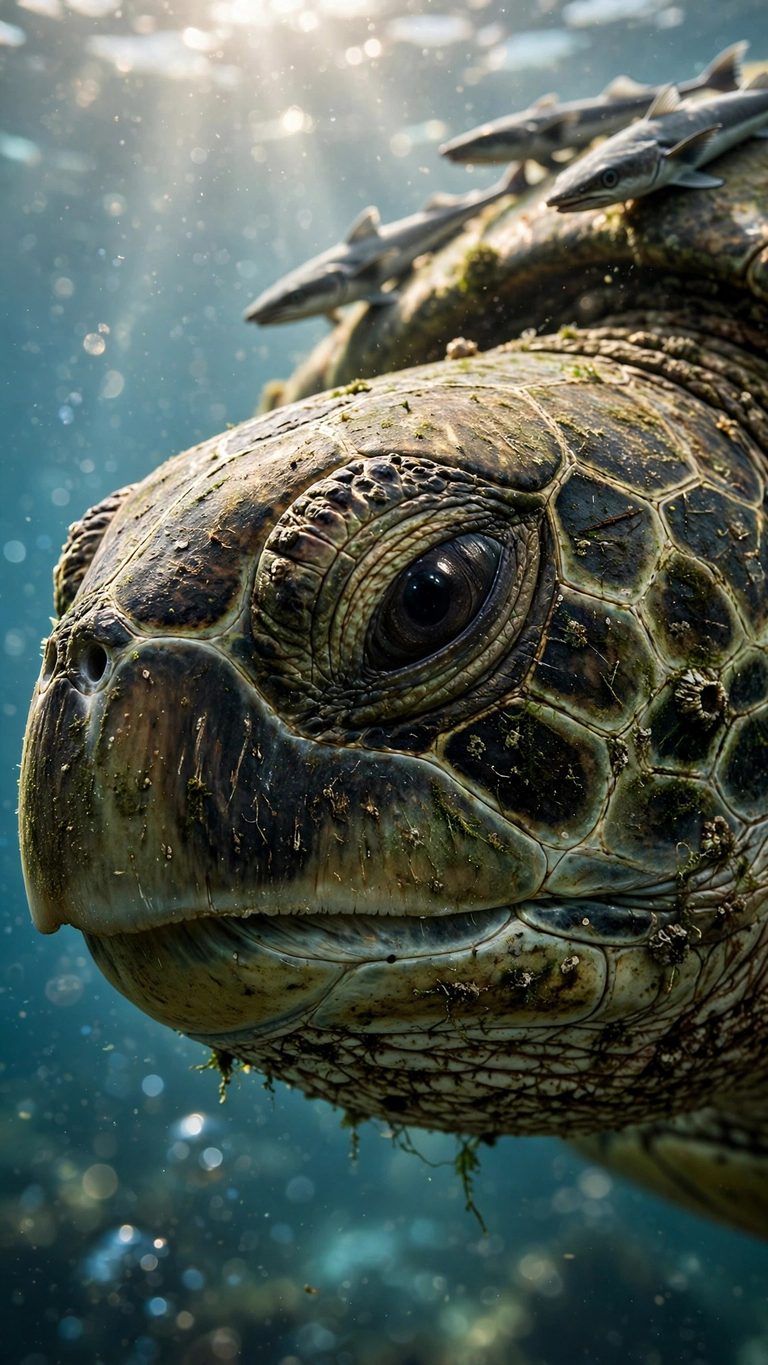
There is a reason sea turtles have survived for over 100 million years, outlasting dinosaurs and ice ages alike: they carry a kind of ancient dignity that photographs like nothing else on Earth. An intimate portrait of a green sea turtle — its textured, weathered face filling the frame, one deep eye meeting the camera — is not just an animal photo. It is a encounter. That is why AI-generated ocean content goes viral: the best of it does not show the viewer the ocean, it makes the viewer feel the ocean looking back. On Instagram, close-up animal portraits in vertical 9:16 format perform exceptionally because eye contact is the strongest attention hook in visual media. On Pinterest, turtle portraits get saved into boards for wisdom quotes, ocean conservation, and tattoo inspiration, giving them a long tail of discovery that keeps driving traffic for months. This prompt bottles that encounter: one wise old turtle, one meeting of eyes, and an image your audience will not forget.
The Prompt
Here is the exact prompt, ready to copy and paste into your favorite AI image generator. Every word was chosen to create intimacy, texture, and a gaze your audience will remember:
Intimate portrait photograph of a wise old green sea turtle, textured ancient face filling the frame, one deep eye meeting the camera, sunlit water bokeh behind, remoras on its shell, dignified and timeless, ultra detailed skin texture, 8k, photorealistic, underwater portrait photography
Why This Prompt Works
This prompt succeeds because it is built around the three pillars of award-winning animal portraiture: intimacy, texture, and story. “Intimate portrait photograph” and “textured ancient face filling the frame” force a tight crop — the single most important compositional choice in portraiture, because a tight crop eliminates distractions and makes the viewer feel physically close to the subject. “One deep eye meeting the camera” is the emotional core: direct eye contact creates a personal bond between viewer and animal, triggering empathy circuits that casual wildlife shots never reach. Images with eye contact are shared more because sharing becomes an act of introducing a friend — “look at this beautiful soul.” “Sunlit water bokeh behind” solves the background problem elegantly: creamy out-of-focus light circles keep all attention on the face while adding the dreamy quality that makes portraits feel premium. “Remoras on its shell” and “wise old” inject story — the remoras are hitchhiking companions that signal a long-lived wild animal, and “ancient” and “dignified and timeless” steer the model’s rendering toward weathered, characterful skin rather than a generic smooth reptile. Finally, “ultra detailed skin texture, 8k, photorealistic, underwater portrait photography” demands the granular detail — every scale, wrinkle, and barnacle scar — that makes viewers zoom in, and zooming is one of the strongest engagement signals on Instagram. On Pinterest, the portrait orientation and timeless subject matter make it evergreen content that resurfaces in search for years.
How to Use This Prompt
Step one: copy the prompt exactly as written in the box above — the portrait-specific phrases (“filling the frame,” “meeting the camera”) are doing critical compositional work, so do not trim them. Step two: paste into Midjourney, DALL-E 3, or Flux. In Midjourney, append –ar 9:16 for the vertical portrait crop that suits a face-filling composition; in DALL-E 3, select portrait orientation. Step three: generate four variations and judge them like a portrait photographer. The winning frame is the one where the eye is tack-sharp and catchlit (a glint of light in the eye sells “alive”), the skin texture is rich without looking diseased, and the face is centered or slightly off-center with room for the bokeh to breathe. Step four: upscale carefully — skin texture benefits enormously from upscaling, but over-sharpening can make the turtle look harsh, so prefer a “subtle” enhance mode. Step five: share it. On Instagram, this image deserves a thoughtful caption — a line about the turtle’s 100-million-year lineage or ocean conservation — because meaningful captions on meaningful images get saved and shared into stories. On Pinterest, title it with searchable keywords like “sea turtle portrait photography” and “ocean wildlife art.” The result looks like a frame from a BBC documentary, generated in minutes.
Pro Tips & Creative Variations
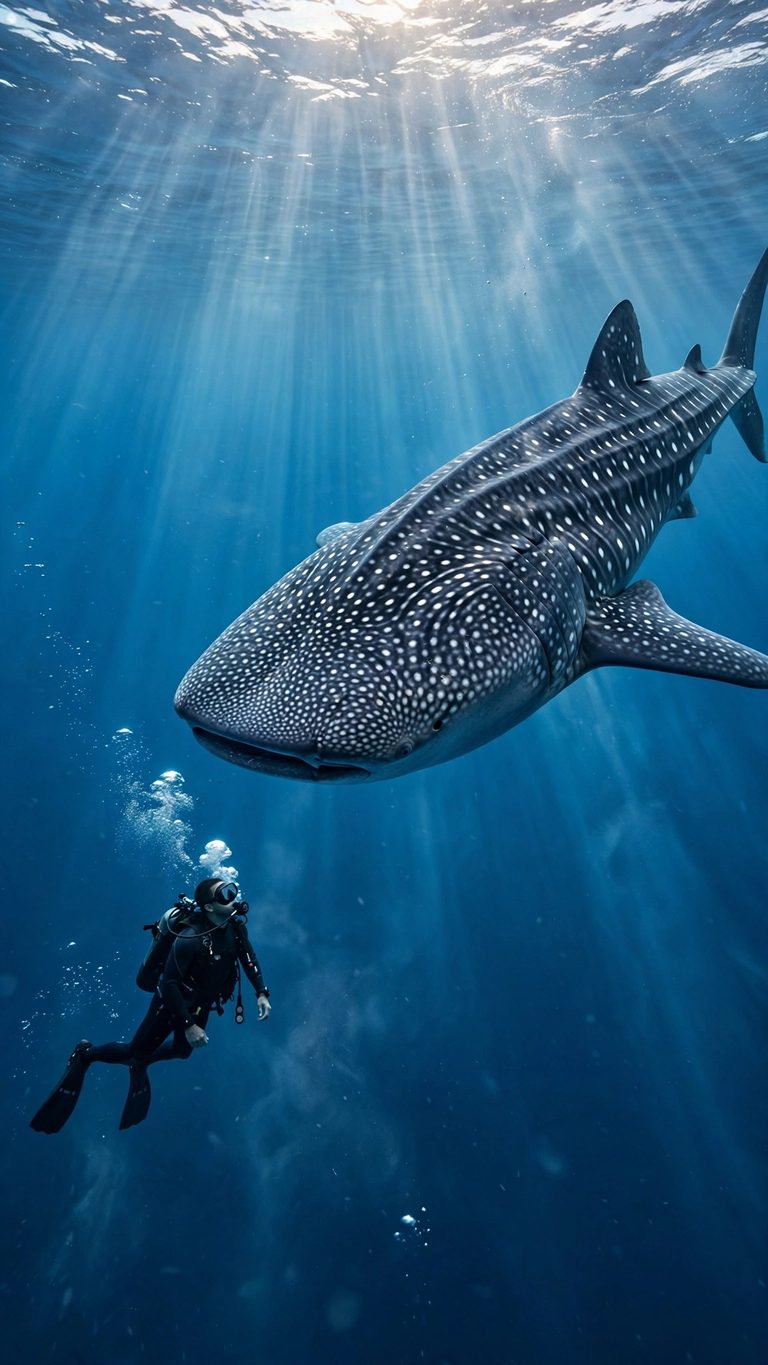
A portrait prompt is a formula you can remix endlessly. Change the time of day with “golden-hour light rays, warm amber water” for a nostalgic glow, or “deep blue twilight water” for a cooler, more mysterious elder. Shift the camera angle: “three-quarter profile, the turtle’s beak in sharp silhouette” gives a regal, coin-like composition, while “extreme close-up of the eye, the reef reflected in it” creates an abstract, fine-art piece that performs beautifully as phone wallpaper — a huge Pinterest niche. Swap the species while keeping the portrait recipe: “wise old hawksbill turtle with an amber-patterned shell,” “ancient leatherback turtle in dark water,” or even leave the ocean — “wise old elephant, textured skin filling the frame” — because the intimacy formula transfers to any animal. Adjust the mood: replace “dignified and timeless” with “playful young turtle, curious expression” for a lighter, cuter variant that skews younger on Instagram, or “battle-scarred old turtle, missing flipper tip, survivor” for a conservation-story image with documentary weight. Change the companions: trade remoras for “tiny cleaner shrimp on its shell” or “a school of silver fish framing the face.” You can also build a series — “Portraits of Ocean Elders” — pairing this turtle with a whale shark close-up and a manta portrait, posting one per week. Series create anticipation, and anticipation creates followers.
Frequently Asked Questions
Q: The turtle’s face looks melted or asymmetric. How do I fix it?
A: Tight animal portraits push models to their anatomical limits. Add “symmetrical face, anatomically correct, natural proportions” and re-roll. In Midjourney, the –v 7 model handles faces far better than older versions. Pick the best of four and discard the rest.
Q: How do I get that catchlight in the eye?
A: The prompt’s “sunlit water” usually produces one, but you can force it by adding “bright catchlight in the eye, lifelike gaze.” A visible catchlight is the difference between “photo” and “render” in viewers’ minds.
Q: Can I use this for a conservation campaign or nonprofit post?
A: Yes — emotionally resonant animal portraits are exactly what conservation messaging needs. Just be transparent if asked that the image is AI-generated; trust matters more than the medium, especially for advocacy.
Q: What is the best platform for this image?
A: Instagram portrait posts and Pinterest pins are the top two. The vertical format and timeless subject give it a long Pinterest shelf life, while the eye contact drives Instagram comments and shares.
Some images inform, some entertain — this one connects. A hundred million years of survival, distilled into a single gaze. Generate this portrait, let one old turtle look your audience in the eye, and watch how deeply a still image can move people. In a feed full of noise, quiet dignity is the loudest thing you can post.
Related Viral Prompts
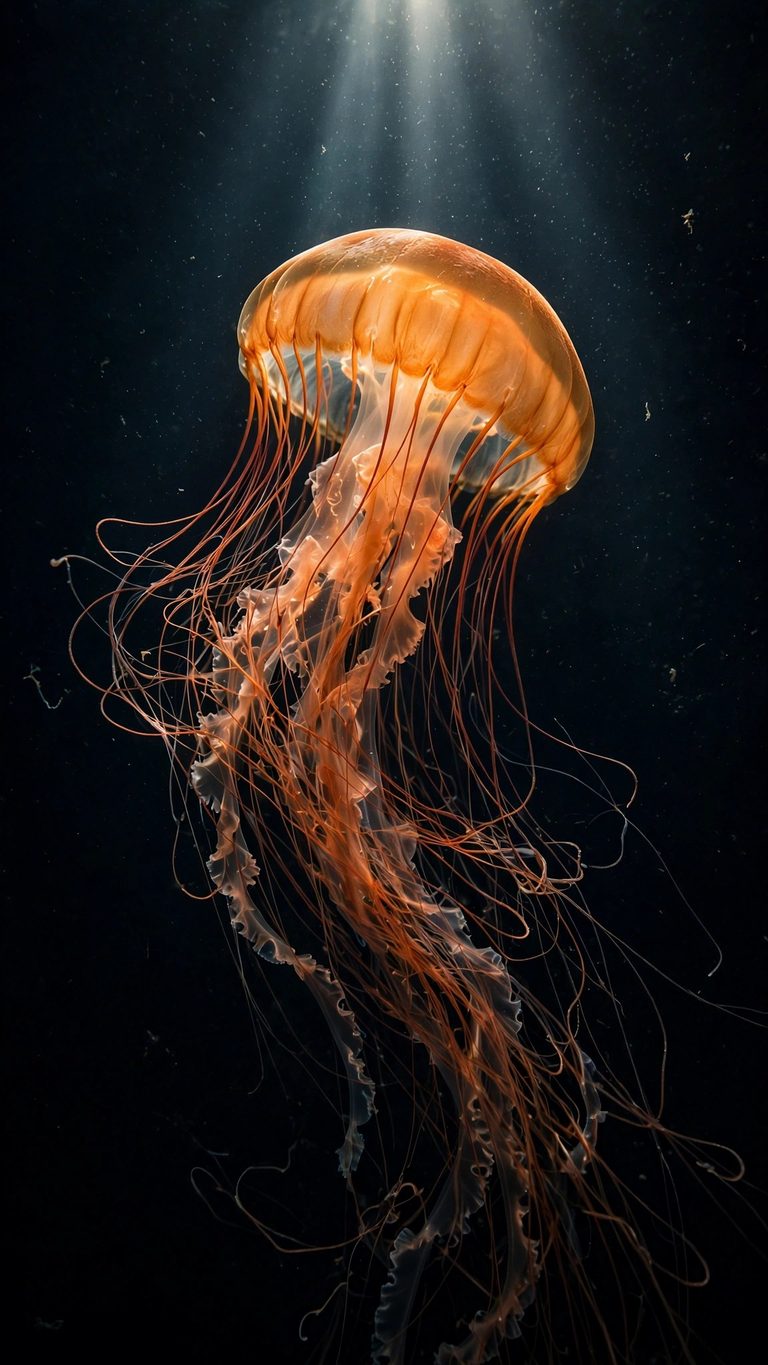
- Deep Sea Jellyfish AI Photo Prompt: Glowing Lantern Aesthetic in the Dark Ocean, Vertical 9:16 Wallpaper Art
- Sunken Anchor Shipwreck AI Photo Prompt: Moody Underwater Wreck Dive Scene in Vertical 9:16 for Instagram
- Manta Ray Silhouette AI Photo Prompt: Dramatic Black Wings Against the Sun for Viral Underwater Wallpapers
# A I P h o t o # P r o m p t B a z a r # S e a T u r t l e # P o r t r a i t # O c e a n

Leave a Reply