
Introduction
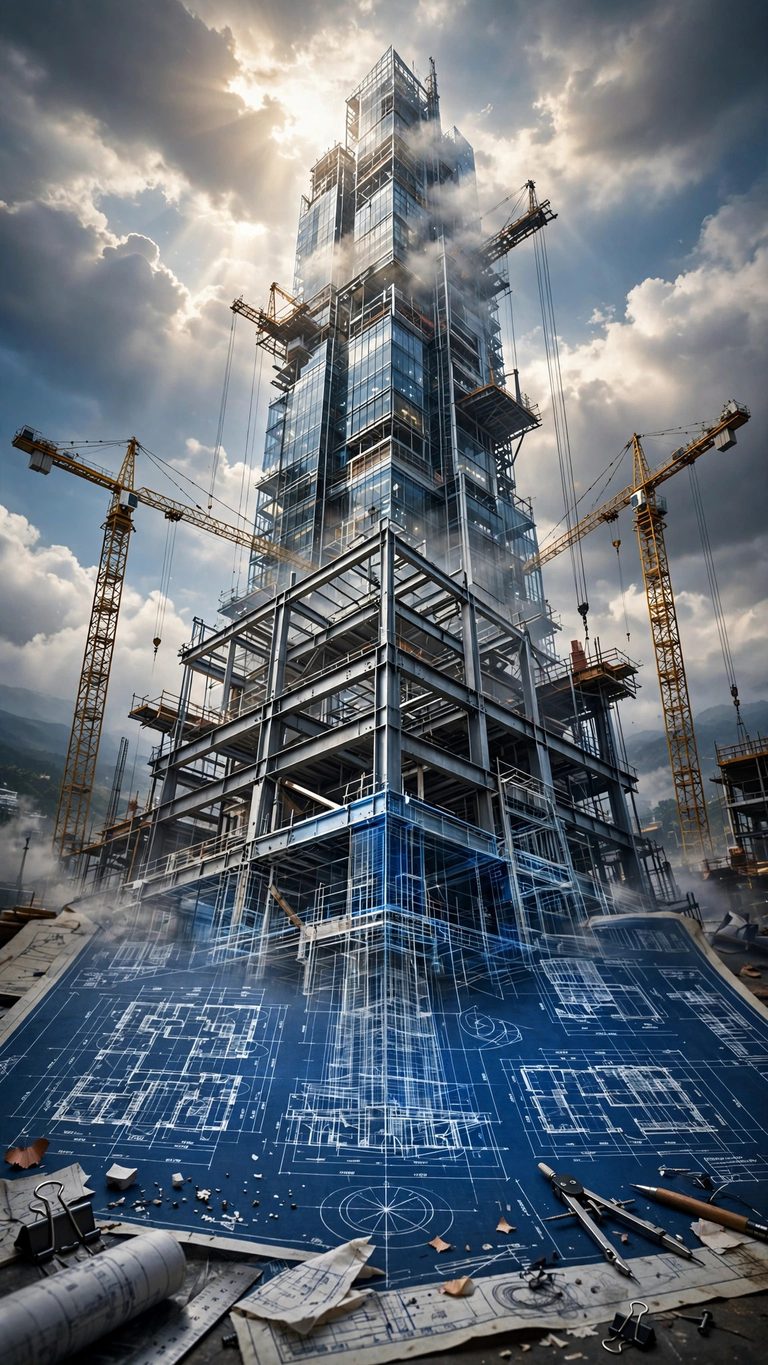
A flat blueprint — lines, measurements, annotations. Then the lines lift off the paper, become steel and glass, and a skyscraper rises into the clouds in triumphant timelapse. This AI video prompt visualizes the most thrilling sentence in architecture: “we built what we drew.” It is part construction documentary, part superhero origin story for a building.
Architecture content has a quietly massive audience. Beyond architects and engineers, millions of viewers are fascinated by how things get built — the “how it’s made” instinct is one of the internet’s most durable curiosities. The blueprint-to-building arc adds a layer of magic that pure construction timelapses lack: the drawing coming alive. It is the creative process made visible, the moment imagination becomes reality. For architecture pages, engineering brands, real estate developers, and anyone who loves big-idea content, this prompt builds a monument in ten seconds.
The Prompt
Copy the exact prompt below and paste it into your favorite AI video generator:
Epic transformation of an architect's blueprint drawing rising into a real glass skyscraper, lines becoming steel and glass, construction timelapse, clouds moving, triumphant, ultra realistic
Why This Prompt Works
This prompt works because it dramatizes human ambition at architectural scale. Skyscrapers are among the most potent symbols of what collective effort achieves, and watching one rise from a drawing triggers genuine awe — the same awe people feel standing at the base of a real tower, compressed into a feed-friendly clip. Awe is a high-arousal emotion, and high-arousal emotions drive sharing more reliably than any other kind.
The blueprint opening is a masterstroke of visual storytelling. Technical drawings carry an inherent promise: this precise thing will exist. When the lines start becoming steel, the viewer’s brain experiences the satisfaction of a promise kept — a micro-version of the pleasure we get from watching plans succeed. The “lines becoming steel and glass” beat is also visually unique; most viewers have never seen this specific transformation, and novelty is the scarcest resource in content.
Finally, the triumphant tone matters. The prompt specifies clouds moving and a triumphant feel, which frames the building as an achievement rather than just a structure. Achievement narratives inspire saves (“for my vision board”) and shares (“this is what we’re building toward”). Architecture students, in particular, share these videos as motivation — an audience that is young, engaged, and growing into decision-making roles.
There is an additional psychological layer worth naming: the triumph response. Watching a tower rise from a drawing does not just satisfy curiosity — it triggers admiration for human capability itself. Psychologists call the resulting emotion “elevation,” the warm expansive feeling we get from witnessing excellence or moral beauty. Elevation is one of the most prosocial emotions: it makes people want to create, build, and share. Content that induces elevation gets shared not for entertainment but as inspiration, which earns it a place in vision boards, presentations, and motivational contexts far beyond casual scrolling.
How to Use This Prompt
Copy the prompt exactly — “lines becoming steel and glass” is the signature beat that separates this from generic construction footage. For architectural subjects, Veo 3 and Runway Gen-4 maintain geometric coherence best; Kling handles the rising motion smoothly. Set 9:16 vertical, 10 seconds — the full drawing-to-tower arc needs the duration.
Generate three to four takes and inspect structural logic: the winning take shows believable construction sequencing (frame before cladding, roughly) rather than the building simply fading in. AI sometimes cheats with dissolves — you want the lines-to-steel metamorphosis to read as construction, not magic, for maximum credibility with architecture audiences. A slow upward camera tilt following the rising tower adds tremendous drama. For audio, epic orchestral or trending “build-up” sounds match the triumphant brief; the genre has its own sound palette and using it signals to the algorithm exactly which audience to serve. Caption with scale (“1,000 feet in 10 seconds”) — numbers make ambition tangible.
Pro Tips & Creative Variations
First, building-swap: famous towers (with recognizable silhouettes), imaginary supertalls, stadiums, bridges — each has an audience. “Blueprint to Burj Khalifa” is practically pre-viral. Second, style-swap the drawing: hand-sketched concept art, CAD wireframe, watercolor rendering — the opening texture changes the whole mood.
Third, add the human scale: tiny construction workers, then tiny lit windows with tiny people inside. Scale contrast is what makes skyscrapers awesome, and AI often forgets it — direct it explicitly. Fourth, try the reverse: a tower dissolving back into its blueprint, captioned about impermanence or lost futures. The melancholy inverse performs surprisingly well.
Fifth, serialize megaprojects: “Episode 1: foundation, Episode 2: steel, Episode 3: glass” released across a week. Finally, go B2B: architecture firms, developers, and construction tech companies need exactly this content for pitches and socials. A portfolio of blueprint-to-building clips is a sellable service — this prompt is not just content, it is a business model in ten seconds.
Here is where this prompt stops being content and starts being a service. Architecture firms spend thousands on render farms and weeks waiting for visualization — an AI blueprint-to-building clip delivers the emotional core of a render (vision becoming reality) in minutes. Package it as “concept films”: 10-second clips that firms can drop into pitches, competition entries, and social feeds. Developers launching off-plan projects need exactly this narrative — buyers cannot visit an unbuilt tower, but they can watch it rise from its own blueprint and feel the future. Create a signature style (your camera move, your grade, your pacing) and it becomes recognizable across a firm’s entire portfolio. There is also a fascinating editorial lane: visualizing unbuilt masterpieces — the famous designs that never left paper — as “what if” films for architecture media. Those get picked up by design publications hungry for visual stories. Finally, pair the video with real data overlays (height, floor count, completion year) to serve the engineering-curious audience that shares spec-heavy content. Vision plus data is the combination that turns a pretty clip into a cited one.
Frequently Asked Questions
Which AI tool is best for architectural transformations?
Veo 3 and Runway Gen-4 maintain geometric coherence best. Kling handles rising motion well. Filter takes for believable construction sequencing over simple dissolves.
How do I keep the building from looking like it just fades in?
Look for takes where lines visibly become steel — the metamorphosis beat. If all takes dissolve, try emphasizing ‘construction timelapse, frame rising floor by floor’ in your generation settings.
Can I feature a real famous building?
Yes — name it and its distinctive silhouette. Famous towers come with built-in audiences. Just ensure the output is reasonably accurate; architecture fans notice.
What audio fits best?
Epic orchestral or trending build-up sounds. The triumphant tone is part of the brief — match it, and the algorithm will find the right audience.
The blueprint-to-skyscraper transformation is ambition made visible — ten seconds from pencil line to cloud-piercing glass. Copy the prompt, dream at architectural scale, and let the tower rise. Post it, and build something the feed will remember.
Related Viral Prompts
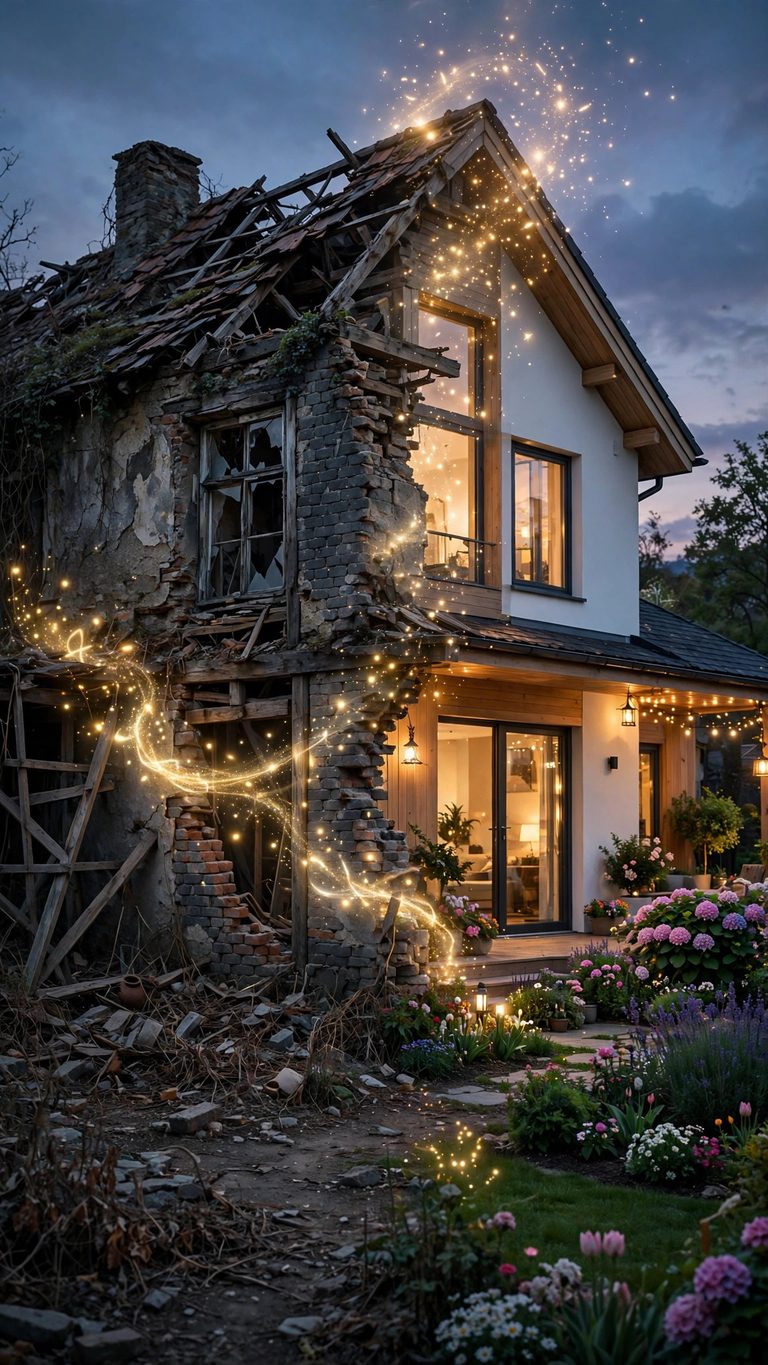
- From Ruin to Dream Home: Old House Renovation Timelapse AI Video Prompt for Viral Before-and-After Reels
- Natural to Glam in Seconds: Makeup Glow-Up Transformation AI Video Prompt for Viral Beauty Reels and TikToks
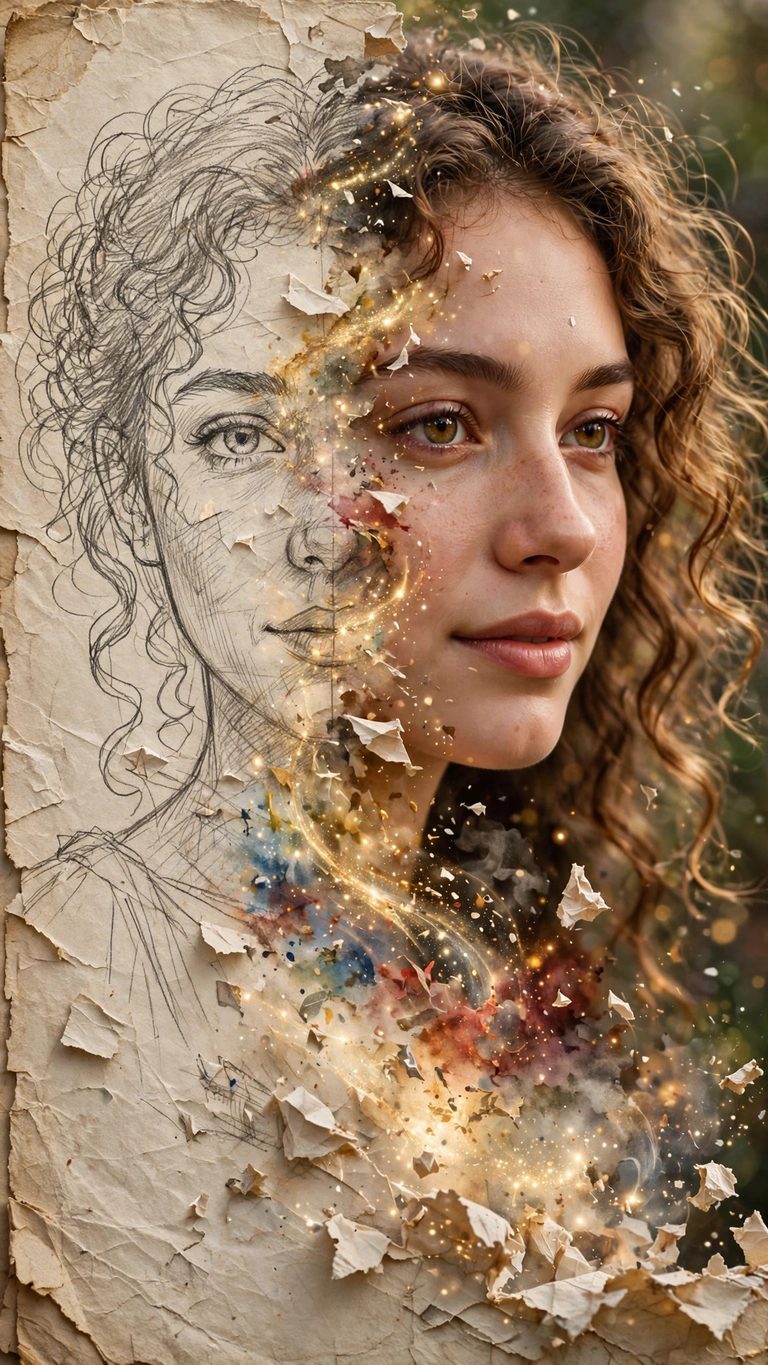
- Pencil Lines to Photorealism: Sketch-to-Portrait AI Video Prompt That Turns Drawings Into Living Art Online
# A I V i d e o # P r o m p t B a z a r # A r c h i t e c t u r e # E p i c # T r a n s f o r m a t i o n


Leave a Reply