
Introduction
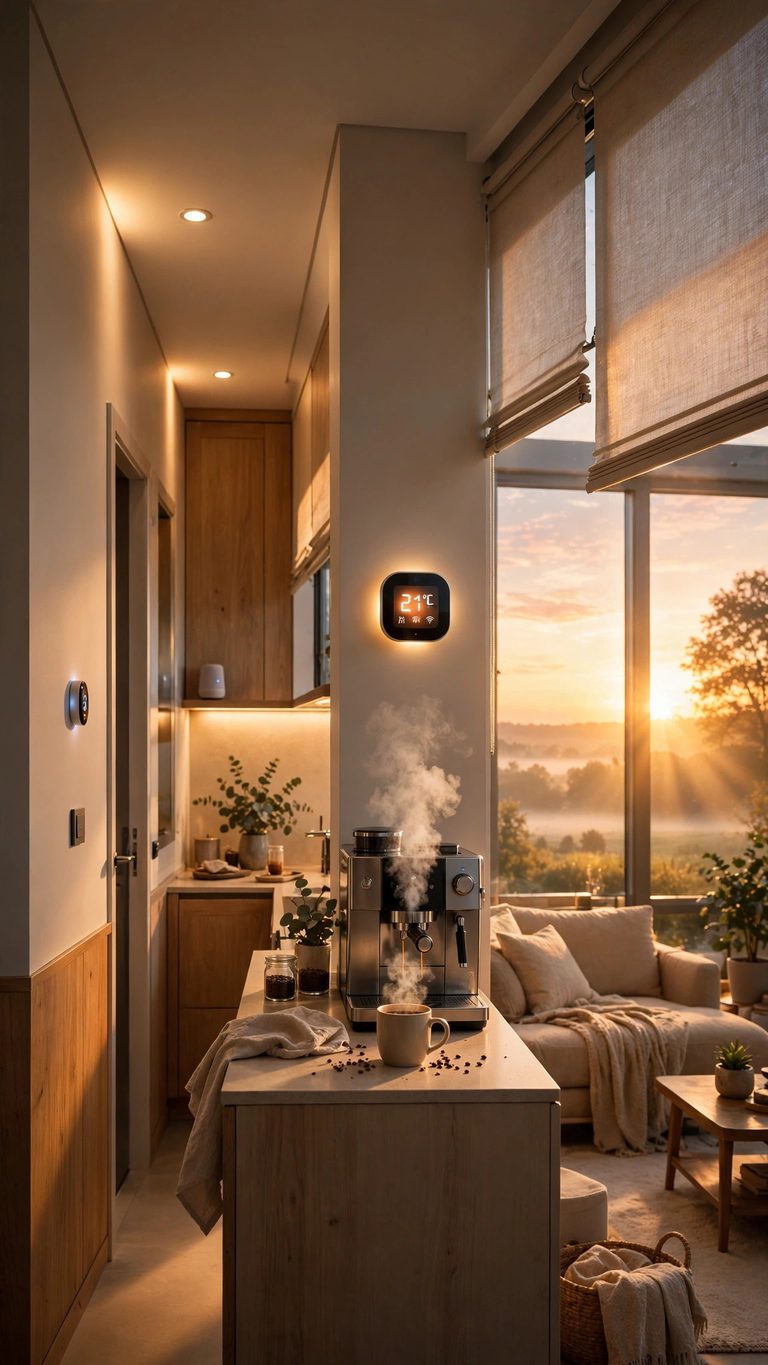
Imagine waking up without an alarm. The lights warm gently like a sunrise. The blinds rise on their own to reveal the morning sky. Downstairs, the coffee machine has already started, and the thermostat glows with the perfect temperature. This is the smart home dream, and it is one of the most aspirational visions in modern tech culture. Videos of automated homes routinely go viral because they sell a feeling, not a product: the feeling of life running itself while you simply exist inside it. Until recently, filming such a sequence meant owning thousands of dollars of smart devices and choreographing them like a film set. AI video generation has made the dream filmable for everyone. A single prompt can now produce a magical morning sequence where a house wakes up room by room, light gliding through hallways in warm cinematic tones. This guide breaks down that prompt and shows you how to create the cozy automation fantasy that viewers save, share, and dream about. If your content touches #SmartHome tech, interior design, or future living, this prompt belongs in your toolkit.
The Prompt
Here is the exact AI video prompt that generates this magical smart home morning. Copy it word for word and paste it into your AI video generator to make the house wake itself up:
Magical morning sequence in a smart home, lights warming up room by room, blinds rising to reveal sunrise, coffee machine starting, thermostat display glowing, camera gliding through the house, cozy automation, warm cinematic light, ultra realistic, 8k, seamless morning automation
Why This Prompt Works
This prompt is engineered around aspiration, the single strongest emotion in home-tech marketing. Nobody buys a smart bulb because of its wattage; they buy the morning it promises. By sequencing the wake-up room by room, lights warming, blinds rising, coffee starting, the prompt creates a narrative of a house that cares for its owner, which triggers a deep comfort response. The camera gliding through the house is a critical choice. Smooth continuous motion mimics the feeling of a dream or a memory, and viewers experience the sequence as if they are floating through their own future home. Warm cinematic light does the emotional heavy lifting: warm tones are neurologically associated with safety, morning, and home, while the sunrise reveal through the blinds delivers a payoff moment that feels earned. Tech content trends show that automation videos thrive on the before-and-after contrast, the dull dark house transforming into a glowing living space, which is the same reveal mechanic behind every viral home makeover. The #Automation angle also taps into productivity culture, where viewers fantasize about optimizing not just their work but their entire existence. Shareability comes from the fantasy being universal. Everyone, regardless of income, can imagine wanting this morning, which makes the clip relatable across demographics. It is the kind of video people send to partners with a message like this is what I want our house to do. The seamless quality matters too: any jarring cut would break the dream, so the prompt insistence on smooth, continuous, ultra-realistic motion is what keeps viewers immersed for the full eight seconds and hitting replay.
How to Use This Prompt
The post settings for this scene are 9:16 vertical, 8 seconds, smooth glide. Configure those first, then work through these steps.
Step 1: Choose a generator with strong camera motion. Kling excels at smooth gliding shots through interiors, and Veo 3 handles warm cinematic lighting beautifully. Runway Gen-4 offers precise camera controls if you want to direct the glide yourself.
Step 2: Paste the prompt exactly as written. The order of events, lights, blinds, coffee, thermostat, is a mini screenplay, so preserve it on your first generation.
Step 3: Set the aspect ratio to 9:16 vertical and the duration to 8 seconds. Vertical framing suits the doorway-to-doorway glide and keeps the composition intimate on phones.
Step 4: Add a negative prompt like flickering lights, distorted furniture, warped walls, people appearing to protect the interior geometry during the camera move.
Step 5: Generate multiple takes and select the one with the most natural light transition. The sunrise reveal is the money shot, so prioritize the run where it looks most believable.
Step 6: In editing, layer soft morning ambience, birdsong, a gentle coffee brew sound, under the clip. Sound design is what turns a pretty render into a moment viewers feel.
Pro Tips & Creative Variations
This prompt is a mood machine, and small changes redirect the mood entirely. For a luxury angle, describe marble, brass fixtures, and floor-to-ceiling windows to aim at the high-end real estate audience. For a cozy angle, emphasize wood textures, plants, and warm lamp glow, which performs beautifully with the hygge and slow-living crowd. Time-of-day swaps are powerful: change morning to evening and the same house becomes a wind-down sequence, lights dimming, fireplace starting, blinds closing against the sunset, perfect for a two-part day-in-the-life series. Seasonal versions work too: a winter morning with frost on the windows and the thermostat glowing warmer, or a rainy morning where the blinds reveal dramatic clouds and the coffee feels even more earned. You can feature specific gadgets by naming them in the prompt: a robot vacuum gliding out as the lights warm, or a smart speaker pulsing with light as it reads the weather. These product placements make the clip valuable for affiliate and review content. For narrative depth, add a person: someone stretching in bed as the blinds rise, or a hand reaching for the fresh coffee. Human presence multiplies emotional connection. Creators in the #SmartHome niche often chain this prompt into longer routines, morning wake-up, evening wind-down, party mode with color-changing lights, building a whole automation universe from one template. Finally, consider the sound-off experience: many viewers watch muted, so add elegant on-screen text like 7:00 AM, the house wakes up to carry the story without audio.
Frequently Asked Questions
Q1: Which AI video generator handles interior camera glides best?
A: Kling is currently the strongest choice for smooth interior camera movement, keeping walls and furniture stable during the glide. Google Veo 3 renders warm cinematic lighting exceptionally well, which is central to this prompt. Runway Gen-4 gives you the most manual camera control if you want to direct the path yourself. Generate two or three takes in your chosen tool and keep the one with the steadiest motion and the most natural sunrise reveal.
Q2: The rooms look warped or the furniture morphs as the camera moves. How do I fix it?
A: Interior geometry is challenging for AI video. Regenerate first, since stability varies between runs. Add a negative prompt such as warped walls, morphing furniture, distorted room, flickering. Keeping the described camera move simple and slow helps the model maintain coherence; avoid adding extra action like people walking. If one room keeps breaking, generate the sequence as two shorter clips and join them with a soft dissolve in editing.
Q3: Can I adapt this prompt for evening or night automation scenes?
A: Definitely. Swap the morning sequence for an evening wind-down: lights dimming room by room, blinds closing, fireplace or TV turning on, thermostat display glowing softly. Keep the gliding camera and warm cinematic light language, just shift the palette cooler or dimmer. Morning and evening versions pair perfectly as a two-part series, and the contrast between them doubles your content from one idea.
Q4: How can I use this video to promote actual smart home products?
A: Name the devices in your prompt or in on-screen text, such as a smart thermostat display or voice assistant speaker, then link the products in your video description or pinned comment. Reviewers often generate the dream sequence as the intro hook, then cut to real footage or specs of the devices. The aspirational AI clip earns the click; the product information earns the trust. Always disclose affiliate links where required by the platform.
Eight seconds of a house waking up can sell a dream that no spec sheet ever could. This smart home prompt captures the warmth, the light, and the quiet magic of automation in one seamless glide. Copy the prompt, generate your first morning sequence, and experiment with evening, seasonal, and luxury variations. Your viewers are already dreaming of this future; give them the video.
Related Viral Prompts
- VR World Transition AI Video Prompt: Bend Reality With a Mind-Blowing Headset-to-Alien-World Scene in 8 Seconds
- Solar Drone City Flight AI Video Prompt: Soar Over a Futuristic Green City at Dawn in a Stunning Aerial Clip
- AI Photo Prompt: Futuristic Neon Smartphone Product Shot With Titanium Build and Cinematic Rim Light
# A I V i d e o # P r o m p t B a z a r # S m a r t H o m e # A u t o m a t i o n # C o z y



Leave a Reply