
Introduction
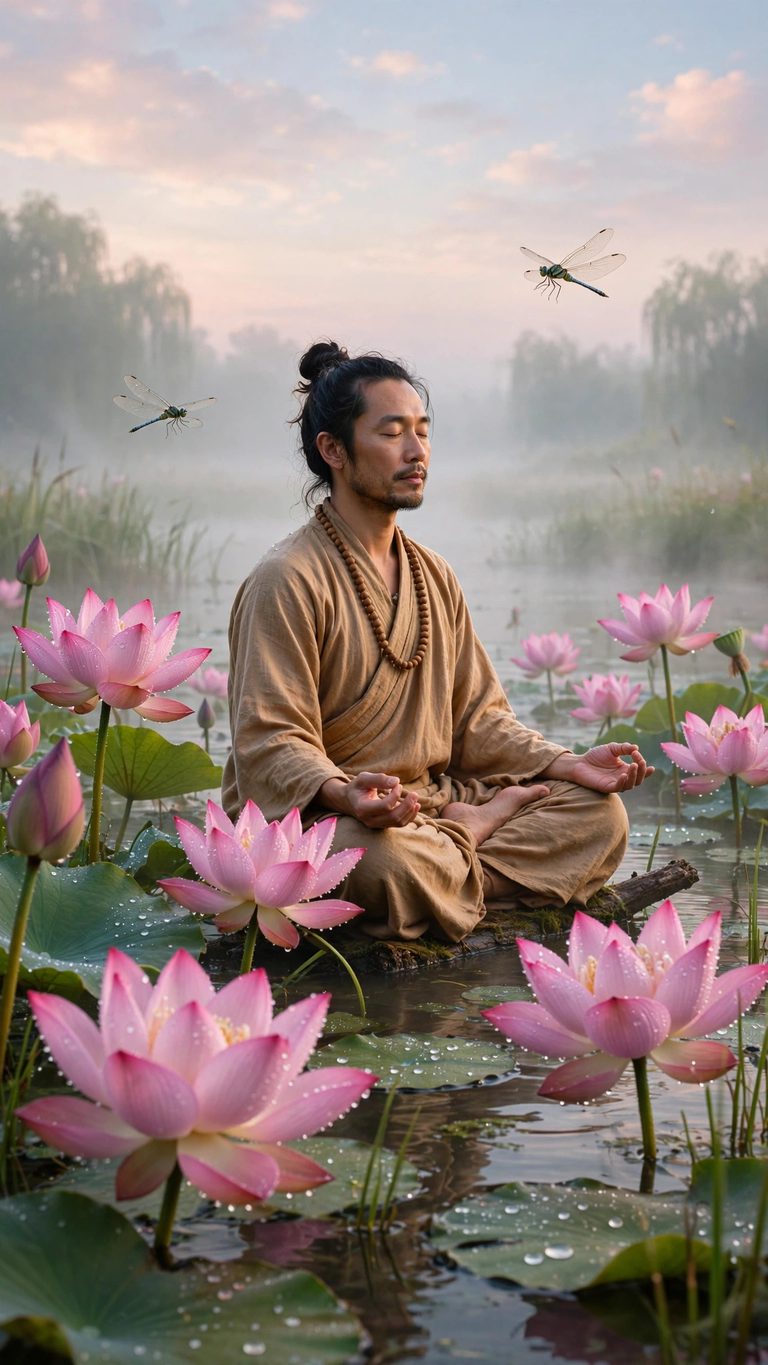
Picture this: the first pale light of dawn spills across a still pond, and thousands of pink lotus blossoms open to greet it. A lone yogi sits motionless at the water’s heart, wrapped in mist, while dragonflies trace lazy circles above the ripples. It is the kind of image that stops a scrolling thumb cold — the kind that belongs in a gallery, not just a feed. And here is the remarkable part: you never have to book a flight, wake at 4 a.m., or wait for perfect weather to capture it. With the right AI photo prompt, you can generate this fine-art meditation scene in under a minute, then refine it until every petal carries its bead of morning dew. Lotus flowers have symbolized purity, rebirth, and spiritual awakening for thousands of years, which makes them the perfect visual partner for yoga imagery. In this guide, we hand you a copy-and-paste AI photo prompt engineered for Midjourney v7 and DALL-E 3, explain the visual psychology that makes it so powerful, and show you how to customize it into endless variations for your wellness brand, your feed, or your wall.
The Prompt
Below is the exact prompt, copied word-for-word. Paste it into Midjourney, DALL-E 3, Flux, or Stable Diffusion exactly as written — every descriptor was chosen to steer the model toward gallery-quality fine-art photography:
Fine-art photograph of a yogi meditating among blooming pink lotus flowers in a pond at dawn, mist hovering, soft pastel sky, perfect symmetry, hyper-detailed petals with morning dew, serene spiritual mood, gallery-quality composition, ultra detailed, 8k quality, dragonflies hovering above water, gentle ripples spreading, divine tranquil atmosphere
Why This Prompt Works
This prompt is a masterclass in visual psychology, and it begins with symmetry. The human brain is wired to find symmetrical compositions calming — they signal order, safety, and balance, which is exactly the emotional state a yoga audience is chasing. By asking for perfect symmetry, the prompt turns a simple pond scene into something that feels almost sacred, like a mandala rendered in flowers and water.
Then there is the color palette. Soft pastel skies at dawn — blush pinks, lavender grays, pale golds — are proven stress reducers in color psychology. They lower the viewer’s heart rate before a single word is read, making this image irresistible to wellness feeds, meditation apps, and anyone doom-scrolling at midnight. Mist hovering over the water adds a layer of mystery and depth, softening edges the way a dream softens memory.
The hyper-detailed petals with morning dew do the heavy lifting on realism. Dew is one of the hardest things to fake, and when an AI model renders it convincingly, the viewer’s brain files the image under “photograph” instead of “illustration.” Dragonflies and gentle ripples add the final ingredient: life. A perfectly still image can feel sterile; tiny signs of motion make it breathe. Shareability is built in, too. Fine-art yoga imagery dominates Pinterest boards and Instagram saves under tags like #Lotus, #Yoga, #Artistic, and #AIPhotoPrompt, because it doubles as decor inspiration and spiritual aspiration. People do not just like these images — they save them, print them, and build morning routines around them.
How to Use This Prompt
Getting a stunning result takes more than pasting text. Follow these steps for each major generator:
1. Midjourney v7: Type /imagine, paste the full prompt, then add –ar 9:16 –v 7 to lock in the 9:16 portrait ratio the settings call for. Try –stylize 250 for a balanced, artistic finish, and use the Vary (Subtle) button to iterate on your favorite of the four grids.
2. DALL-E 3 (via ChatGPT): Paste the prompt into the chat and add one line: “Generate this in vertical 9:16 portrait orientation.” DALL-E 3 follows natural language well, so you can also ask for “more mist” or “a closer crop on the yogi” in follow-up messages.
3. Flux: Paste the prompt as-is and set your canvas to 768 x 1344 (a clean 9:16). Flux excels at photorealistic detail, so raise the steps to 30-40 and keep guidance around 3.5 for crisp dew and petal texture.
4. Stable Diffusion XL: Use the prompt in the positive field at 768 x 1344 or 832 x 1472. Add a negative prompt like “blurry, watermark, cartoon, deformed hands” to protect the fine-art look. A detail-enhancing refiner pass at 0.3-0.5 denoising will sharpen the dragonflies and ripples beautifully.
Pro Tips & Creative Variations
Once the base image works, the real fun starts. Shift the time of day: replace “at dawn” with “at golden sunset” or “under a full moon” for a completely different mood while keeping the composition. Change the pose: swap “meditating” for “holding tree pose on a flat stone” or “in warrior II at the water’s edge” to build a full yoga series. Go macro: add “extreme close-up of a single lotus petal with dew, yogi softly blurred behind” for an intimate detail shot. Add wildlife: koi fish gliding beneath the surface or a heron standing among the flowers introduces new layers of storytelling. Try monochrome: append “black and white fine-art photography, high contrast” for a gallery print that looks straight out of an exhibition. Seasonal twist: “autumn lotus pond with falling leaves” or “lotus pond in light rain, raindrop ripples” keeps the concept fresh year-round. For creators building a brand, generate a matching set of five variations and post them as a carousel — audiences love a series, and the algorithm rewards the extra dwell time. Save your best render as a phone wallpaper in 9:16, and consider printing the winner; “gallery-quality composition” is in the prompt for a reason, and these images hold up beautifully at large sizes.
Frequently Asked Questions
Which AI generator gives the most photorealistic lotus scene?
Midjourney v7 and Flux currently lead on photorealism for nature scenes, especially fine detail like dew and water ripples. DALL-E 3 is excellent at following the prompt’s mood literally and is the easiest option for beginners since it needs no parameters — just describe the 9:16 portrait orientation in plain words.
Can I use these AI images commercially?
It depends on the platform’s terms. Midjourney’s paid plans generally allow commercial use, and images you generate with DALL-E 3 through ChatGPT are yours to use commercially. Always double-check the current terms of the tool you use, and avoid implying a real person or brand endorses your product.
How do I make the yogi’s pose look more natural?
Hands and seated poses are where AI still stumbles. Generate four variations and pick the cleanest one, then use inpainting or a “vary region” feature to fix only the problem area. Adding “natural relaxed posture” to the prompt also helps the model avoid stiff, mannequin-like poses.
Can I change the flowers or the setting?
Absolutely. Swap “pink lotus flowers” for “white water lilies,” “cherry blossoms on the water,” or “lily pads with frogs” and keep everything else identical. The mist, symmetry, and dew descriptors will carry the fine-art mood into any setting you choose.
Dawn on a lotus pond is a feeling as much as a photograph — stillness you can see. Copy the prompt above, generate your version, and share it with #AIPhotoPrompt, #AIVideo, and #PromptBazar so fellow creators can find it. Your most serene creation might be one click away, so go make something beautiful.
Related Viral Prompts
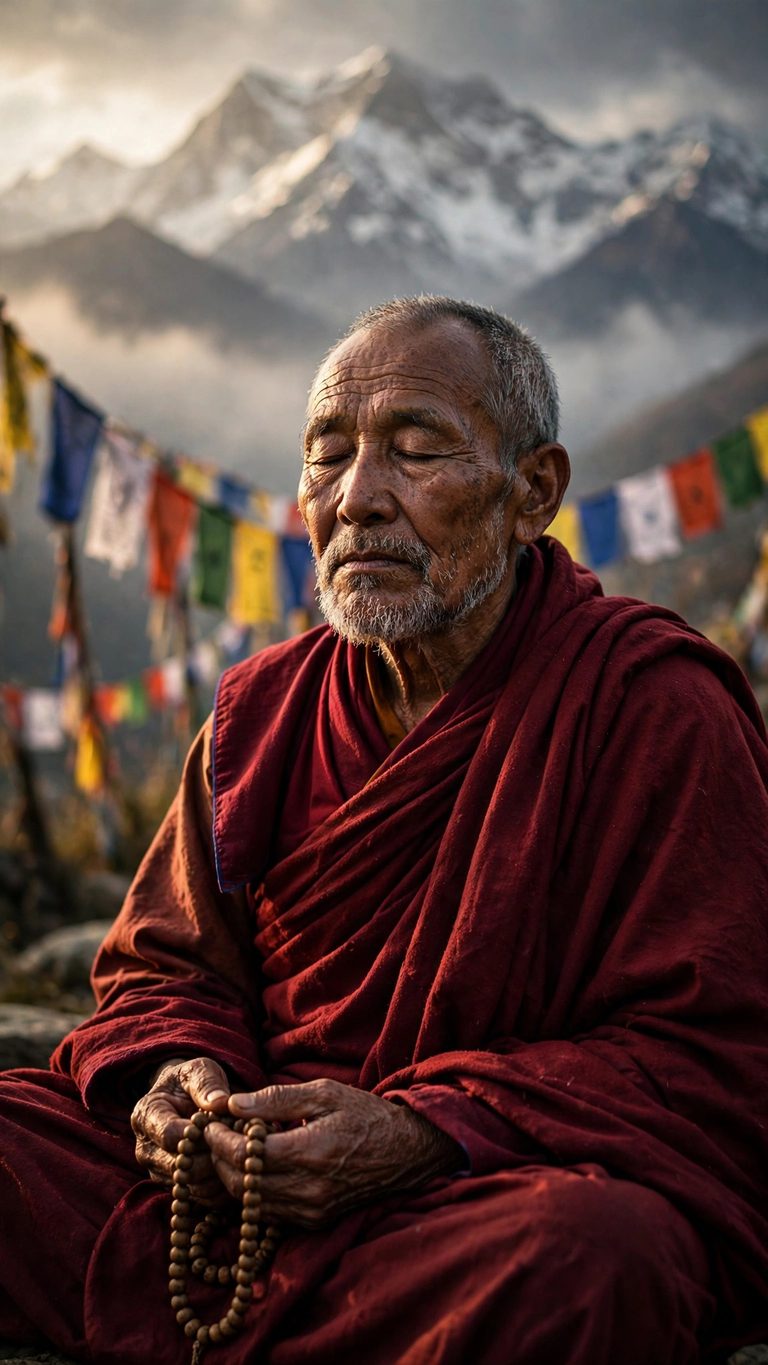
- Himalayan Monk Meditation AI Photo Prompt: Capture Powerful Documentary-Style Spiritual Portrait Photography
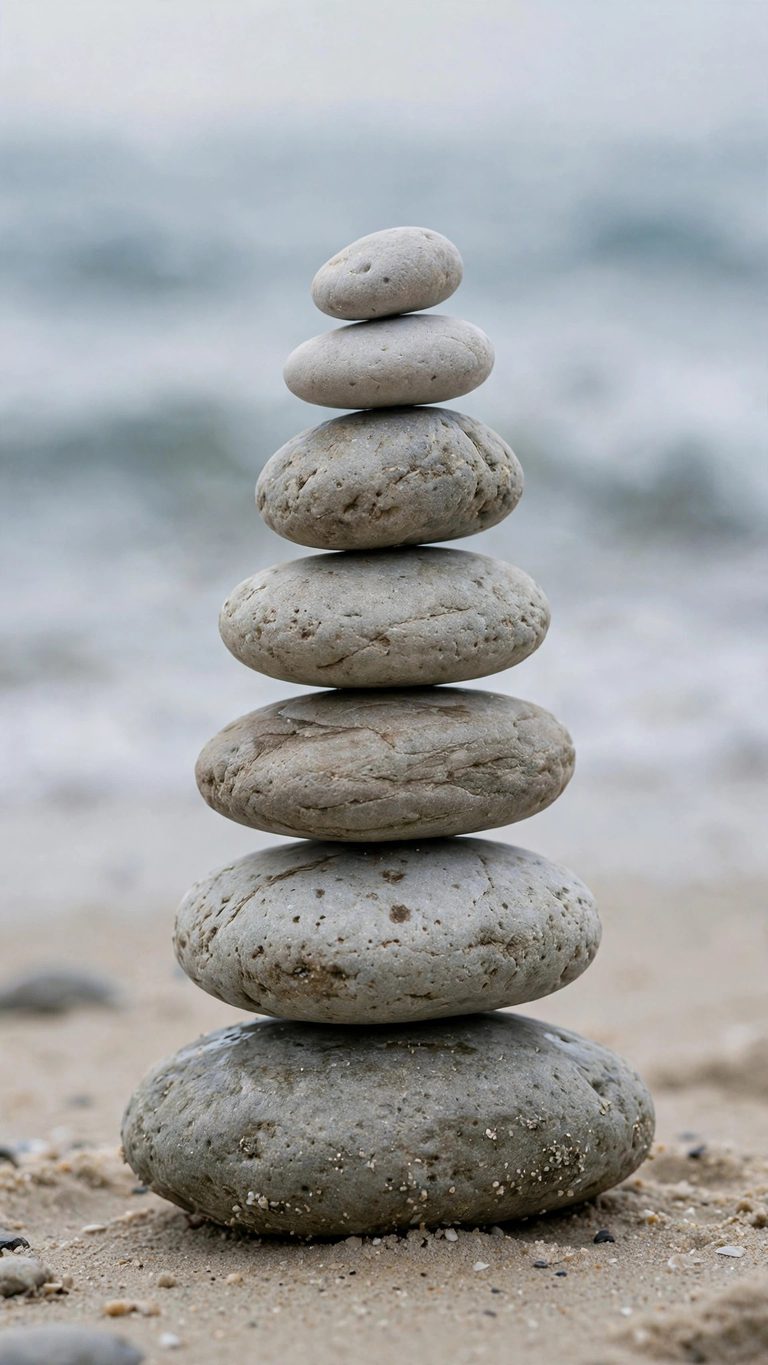
- Balanced Zen Stones AI Photo Prompt: Create Stunning Minimalist Stacked-Stone Beach Photography Masterpiece
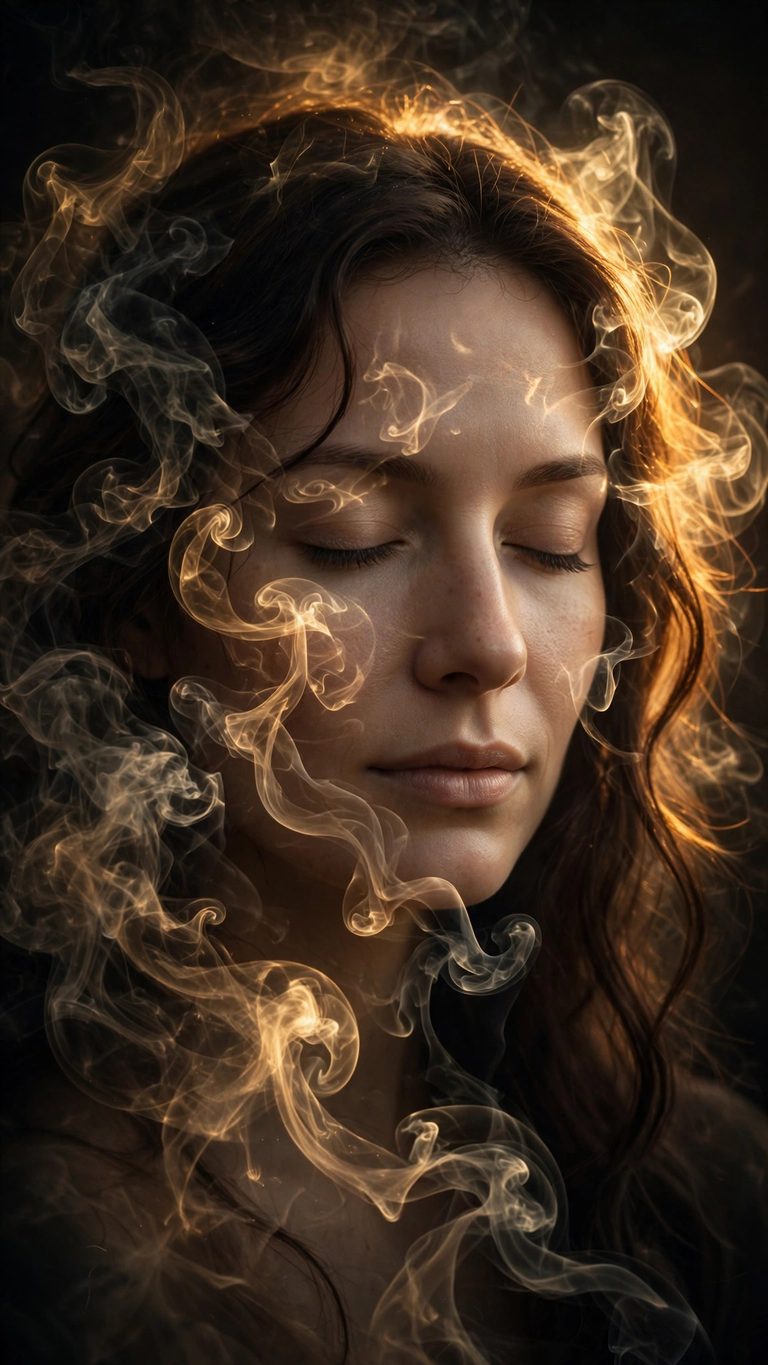
- Incense Smoke Portrait AI Photo Prompt: Craft Mystical Backlit Ritual Photography with Golden Smoke Art
# A I V i d e o # P r o m p t B a z a r # A I P h o t o P r o m p t # Y o g a # L o t u s # A r t i s t i c

Leave a Reply