
Introduction
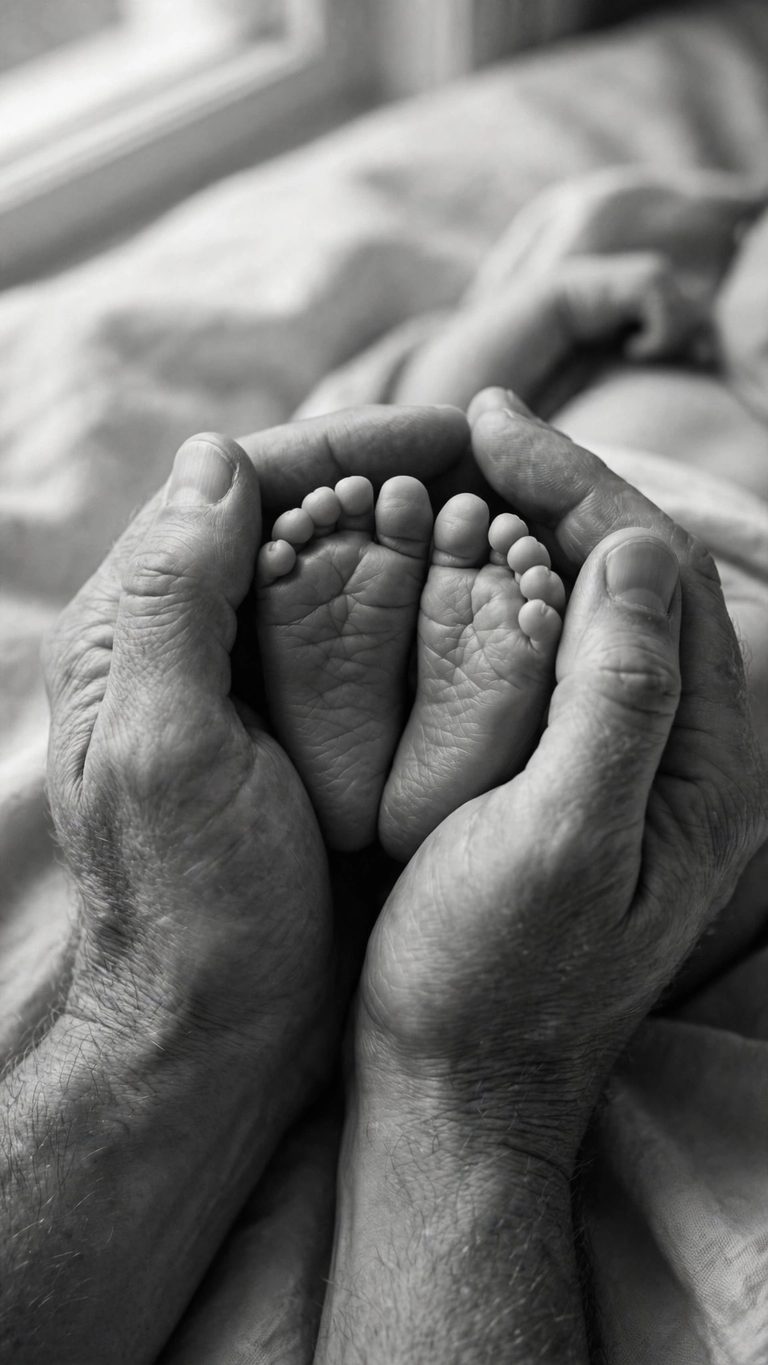
Some images do not need a face to tell a whole story. A pair of tiny feet resting in a parent’s hands says everything about love, protection, and the astonishing smallness of a new life, without a single word. It is no wonder this composition has become one of the most iconic shots in family photography. It appears on birth announcements, Father’s Day cards, nursery walls, and tattoo designs. The contrast is the message: something so small, held by something so strong.
There is a reason this image stops thumbs mid-scroll. Scale contrast is one of the most powerful visual tools in photography. When the brain sees the enormous difference between a parent’s weathered hand and a foot no bigger than a strawberry, it instantly computes vulnerability and care. You do not analyze it. You feel it. That gut-level reaction is why photos of baby feet cradled in hands are shared millions of times a year across parenting communities, and why they never feel cliched no matter how often they appear.
This AI photo prompt lets you create that timeless composition in minutes. No need to coordinate a real family photo session or coax a newborn into position. Just describe the love, and let the model render the tenderness. Share it with #BabyFeet and watch how deeply it resonates.
The Prompt
Copy the prompt below exactly as written, paste it into your favorite AI image generator, and watch the magic happen. Every word was chosen to guide the model toward a specific mood, light, and level of detail.
Touching photograph of tiny baby feet cradled in parent's large hands, beautiful scale contrast, soft natural light, black and white timeless feel, deep parental love concept, hyper-detailed, emotional family photography, ultra detailed, 8k quality, generations connected tenderly, love beyond measure
Why This Prompt Works
The psychology behind this image is beautifully simple. Humans are wired to protect small things, and nothing dramatizes smallness like placing it inside largeness. The parent’s hands in this composition act as a visual frame and a metaphor at once: they literally surround the feet, and symbolically they promise safety. Viewers project their own memories of holding their children, or being held, into that space between hand and foot. That projection is what turns a photograph into an emotional experience.
The black and white treatment specified in the prompt amplifies this effect. Removing color strips away distractions and pushes all attention to form, texture, and light. The creases of the parent’s palm, the soft wrinkles of newborn skin, the curve of tiny toes: monochrome makes every one of these details feel sculptural and eternal. It is the same reason classic family portraits from decades ago still move us. Black and white reads as timeless, honest, and serious about its subject, which is exactly the register a deep parental love concept deserves.
Platform trends strongly favor this genre. Emotional family photography consistently outperforms posed smile photos on shares and saves, because people share what moves them, not just what looks nice. Grandparents are the secret superpower here: they forward touching monochrome baby photos through family chats at extraordinary rates, giving this kind of image a multi-generational distribution network that cheerful color photos rarely achieve. It also fits every calendar moment: birth announcements, Mother’s Day, Father’s Day, first birthdays, and memorial keepsakes.
Finally, the prompt’s phrase generations connected tenderly gives the model a conceptual anchor beyond the literal scene. Modern image models respond remarkably well to emotional direction, and that phrase nudges the composition toward something that feels like legacy and lineage rather than a simple product-style close-up. The result is an image with soul, the kind people print, frame, and keep.
How to Use This Prompt
In Midjourney, paste the full prompt and add –ar 4:5 or –ar 2:3 for a portrait composition that suits both printing and social feeds. For stories and reels, –ar 9:16 works beautifully since the vertical stack of hands and feet fills the frame naturally. Keep –v 7 for the latest rendering quality. If the black and white conversion looks muddy, add –style raw for a cleaner photographic interpretation, and use Vary (Region) to refine the tiny toes, which are the highest-risk detail in the image.
In DALL-E 3, submit the prompt in chat and follow it with a clarifying line such as: true black and white photograph, rich contrast, fine film grain, emotional and timeless. DALL-E 3 sometimes drifts toward color, so explicitly restating the monochrome requirement helps. If the hands look too smooth or youthful for a parent, add: parent’s hands show gentle signs of age, realistic skin texture. Iterate conversationally until the scale contrast feels dramatic but believable.
In Flux, use a portrait aspect ratio and a guidance scale near 3.5 with 30 or more steps. Flux handles monochrome realism exceptionally well, so let it lean into fine detail on skin texture and the interplay of light across the palms. Whichever generator you use, create at least half a dozen variations. Tiny feet are anatomically demanding, and your keeper will usually be the third or fourth render, not the first. This prompt was built for 9:16 portrait output on Midjourney v7 and DALL-E 3, so start there and adapt.
Pro Tips & Creative Variations
This composition is a playground for meaningful variation. The simplest powerful change is whose hands are holding the feet. Try grandparent’s aged hands cradling baby feet for a generations theme that performs spectacularly around holidays. Try mother’s hands with a wedding ring visible for an anniversary post, or father’s large work-worn hands for a Father’s Day tribute. Each version tells a different chapter of the same love story.
Lighting variations rewrite the mood completely. Keep the monochrome but add dramatic side light for a fine-art gallery feel, or soft diffused morning light for gentleness. For a completely different emotional register, remove the black and white instruction and request warm golden-hour color with sunlit skin tones. The color version feels celebratory and modern, perfect for birth announcements, while the monochrome version feels eternal.
Add storytelling props with a light touch. A hospital bracelet on the tiny ankle turns the image into a birth-day keepsake. A knitted bootie half-slipped off one foot adds charm. Soft-focus nursery elements in the background, a crib rail or a folded blanket, add context without stealing focus. Be careful not to clutter: the power of this image is its simplicity, and every added element should earn its place.
For social media, pair the image with a short, honest caption about what those feet mean to you. Emotional family photos with personal captions dramatically outperform the same image with generic text. And consider the video route: feed your best still into an image-to-video tool with a slow zoom and the gentlest sway, as if the parent is rocking the baby. A five-second loop of those tiny feet, shared with #BabyFeet, is pure, shareable tenderness.
Frequently Asked Questions
Why does black and white work so well for this photo?
Monochrome removes the distraction of color and concentrates the viewer on shape, texture, light, and emotion. For a concept as pure as parental love, that simplification is powerful. Black and white also carries a timeless, documentary association, so the image feels like a family heirloom rather than a trendy snapshot. If you ever want a warmer, more celebratory version, simply drop the black and white phrase and add warm natural color.
How do I get the scale contrast to look dramatic but realistic?
The drama comes from the size difference, so keep the composition tight: feet centered, hands wrapping from below and the sides. Avoid prompts that add extra elements competing for scale. If the parent’s hands render too small, add large adult hands or father’s strong hands to strengthen the contrast. Always generate multiple versions, because the most striking scale contrast often appears in the third or fourth render.
Can I personalize it to represent my own family?
Absolutely. Swap parent’s hands for mother’s hands with delicate jewelry, father’s hands, or grandparent’s wrinkled hands to tell your specific story. You can also adjust the mood words: tender and protective for new parents, proud and joyful for grandparents. Just keep the core composition, tiny feet cradled in large loving hands, since that is the emotional engine of the image.
What is the best way to share this image?
Vertical 9:16 versions dominate on stories, reels, and TikTok, while 4:5 or 2:3 prints beautifully for framing and announcement cards. Pair it with a heartfelt caption rather than hashtags alone, since emotional storytelling multiplies shares. Posting it on meaningful dates like birthdays, Mother’s Day, or Father’s Day gives it a natural reason to travel through family networks.
Tiny feet, strong hands, and a love beyond measure: some compositions never lose their power because the feeling behind them never ages. Generate your version of this timeless image today, choose the hands that tell your story, and share a portrait of love that your family will treasure for generations.
Related Viral Prompts
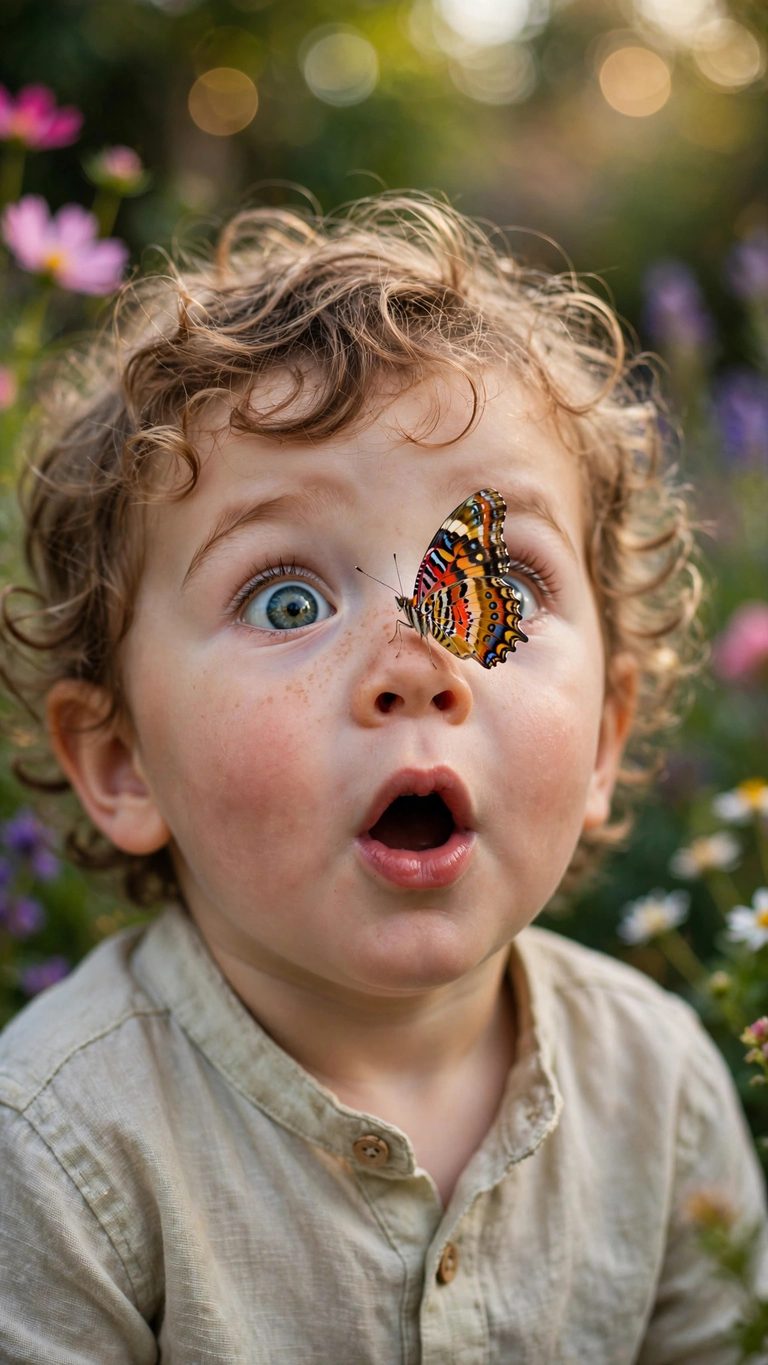
- Butterfly on Nose Toddler AI Photo Prompt: Capture Pure Childhood Wonder in One Magical Garden Moment
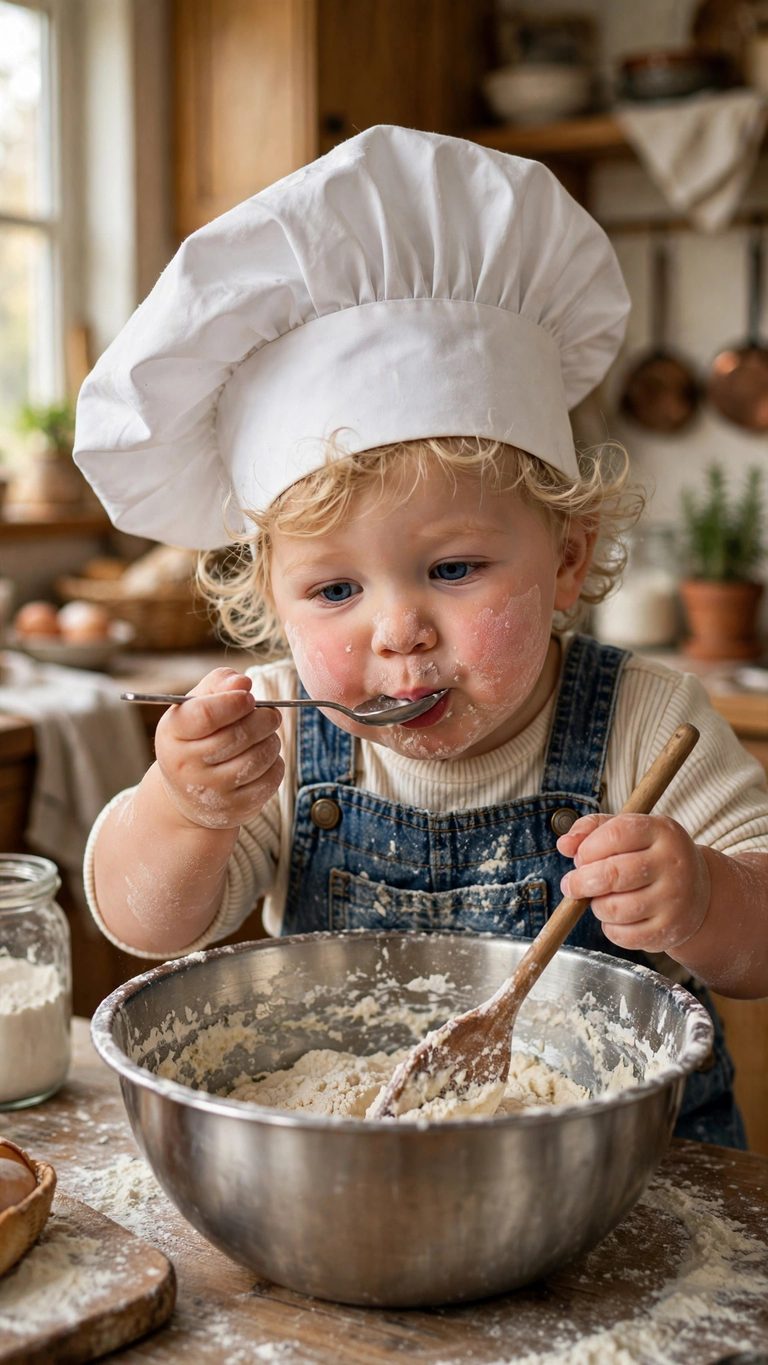
- Little Chef Toddler AI Photo Prompt: Bake Up a Hilarious Kitchen Portrait Full of Flour, Frosting and Giggles
- Flower Basket Baby AI Photo Prompt: Create a Dreamy Floral Newborn Portrait Straight From a Fairy Tale
# A I V i d e o # P r o m p t B a z a r # A I P h o t o P r o m p t # B a b y F e e t # F a m i l y # L o v e

Leave a Reply