
Introduction
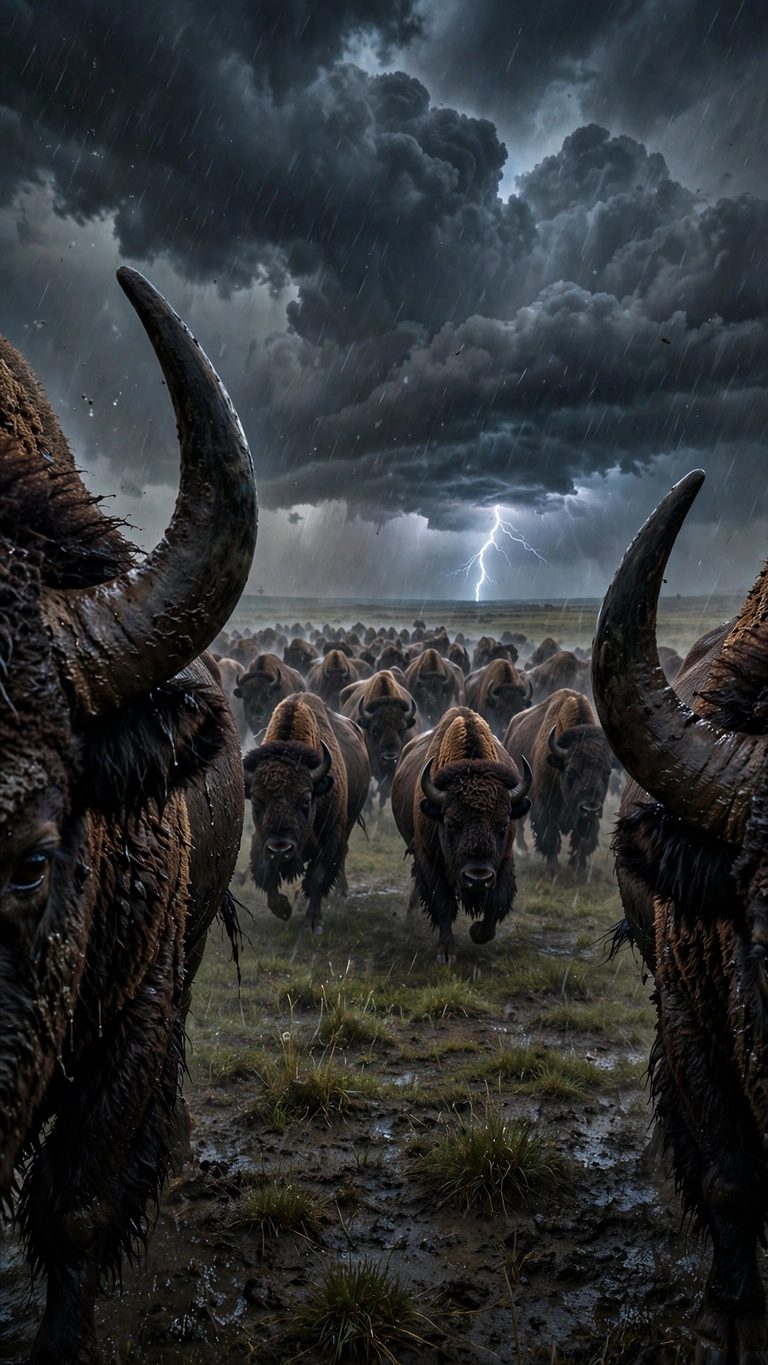
There is weather, and then there is an African thunderstorm rolling over a buffalo herd — black clouds boiling, lightning stitching the horizon, the first rain streaking down as a thousand kilograms of horn and muscle keep moving through it all. This AI video prompt captures that collision of beast and tempest with a low camera buried among the herd, massive horns passing inches from the lens. It is primal cinema: the two oldest dramas on Earth, survival and storm, unfolding in a single frame. Dark, electric content like this cuts through cheerful feeds like a lightning bolt, and viewers who love drama will watch it on loop. In ten seconds, you get atmosphere, power, and a mood so thick you could wring it out.
The Prompt
Copy the exact prompt below and paste it into your favorite AI video generator:
Dramatic scene of a buffalo herd moving through an approaching thunderstorm, dark clouds boiling above, lightning flickering on the horizon, rain beginning to streak down, camera low among the herd as massive horns pass by, primal and electric atmosphere, ultra realistic, cinematic, 8k
Why This Prompt Works
This prompt fuses two independent viral forces — megafauna and extreme weather — and their combination is multiplicative, not additive. Storm content alone commands huge audiences; buffalo content alone commands respect; together they create a scene with twice the reasons to stop scrolling. The low herd-level camera is what makes it intimate rather than merely scenic. From among the animals, the viewer is not observing the storm — they are inside it, horns passing by, rain starting to sting. That embedded perspective converts spectacle into experience, and experiences get shared with personal captions like this gave me chills. The approaching-storm structure is dramatically ideal: the worst is always about to happen, which means tension never resolves and attention never lapses. Lightning flickering on the horizon provides strobing visual punctuation — each flicker is a micro-event that re-captures drifting eyes. The rain beginning to streak down adds the kinetic texture that storm footage needs; without visible rain, a storm is just dark clouds, but streaking rain makes the air itself feel violent. Describing the atmosphere as primal and electric gives the model permission for high contrast, deep shadows, and charged color — the cinematic storm palette of slate blues, electric whites, and warm rim light on wet hides. And the buffalo themselves, often called the most dangerous of the Big Five, carry an undercurrent of menace that a gentler herd would lack. The viewer senses, correctly, that these animals could turn — and that low thrum of danger keeps all ten seconds taut.
How to Use This Prompt
Copy the prompt into Veo 3, Runway, Kling, Pika, or Sora, set 9:16 vertical, and take the full 10 seconds — storm atmosphere needs time to build. Kling and Runway handle rain and lightning effects particularly well right now. Generate four or five takes and judge them on atmosphere first, animals second: the winning take is the one where the sky looks genuinely threatening. Check lightning timing — you want flickers, not a constant strobe, which reads as a glitch. Buffalo horns passing close to the lens are the money moments, so scrub for the take with the most dramatic near-pass. For audio, this is a sound designer’s playground: low thunder rolling, rain building from patter to hiss, wind rising, and beneath it all the heavy breathing and hoof-falls of the herd. Layer these rather than relying on a single music track — realistic storm beds outperform music for this content. A distant thunderclap synced to a lightning flicker will make viewers jump in the best way. Caption with storm poetry rather than facts — when the sky turns black, the herd keeps walking — because mood captions match mood content. Post during actual stormy weather in your audience’s region if you can; contextual relevance gives algorithmic tailwinds.
Pro Tips & Creative Variations
Storm-plus-wildlife is a rich vein. Try elephants in a dust storm, lions in sudden downpour, or flamingos against black monsoon clouds — same grammar, new animals, fresh audiences. A night variant with lightning illuminating the herd in strobing flashes is almost horror-adjacent and wildly dramatic. For contrast, generate the aftermath: the same herd steaming in sudden sunlight after the storm passes — before-and-after diptychs of tempest and calm are deeply satisfying. You can build a storm-chasers series across habitats: savanna thunderstorm, coastal tempest with seabirds, desert dust storm with oryx. In editing, add a very subtle low-frequency rumble throughout in post even if your generation has audio — sub-bass is felt more than heard and sells scale. Grade toward desaturated blues and grays with lightning whites pushed hot for maximum electric contrast. For the cover frame, freeze a lightning flicker with horns silhouetted — that single image carries the entire promise of the clip. Consider a two-part post: the storm approach as part one, ending on a cliffhanger flash, with the herd’s calm aftermath as part two — serialized tension doubles your content from one prompt family.
Frequently Asked Questions
How do I get the lightning to look natural instead of glitchy? Favor takes with fewer, well-spaced flickers on the horizon rather than constant flashing. In the prompt, flickering on the horizon already biases toward distant, natural lightning — if a take strobes excessively, discard it.
Should the rain be heavy or just beginning? Just beginning, as scripted. The transition moment — first streaks falling — is more cinematic than a full downpour, which can wash out the animals. Anticipation beats saturation.
What is the best audio approach for storm wildlife clips? Layered realism: thunder bed, building rain, wind, and animal sounds. Avoid melodic music, which fights the primal mood. Let the storm be the score.
Can I use this style for non-African animals? Absolutely — bison in a prairie storm, highland cattle in Scottish mist, or wolves in falling snow all use the same beast-plus-tempest grammar with equal drama.
In conclusion, the buffalo storm is where two primal forces meet — horn and thunder, hide and rain. The low camera puts viewers inside the tempest, and ten electric seconds do the rest. Generate it dark, pick the most threatening sky, layer real storm sound, and unleash the most dramatic ten seconds on your feed.
Related Viral Prompts
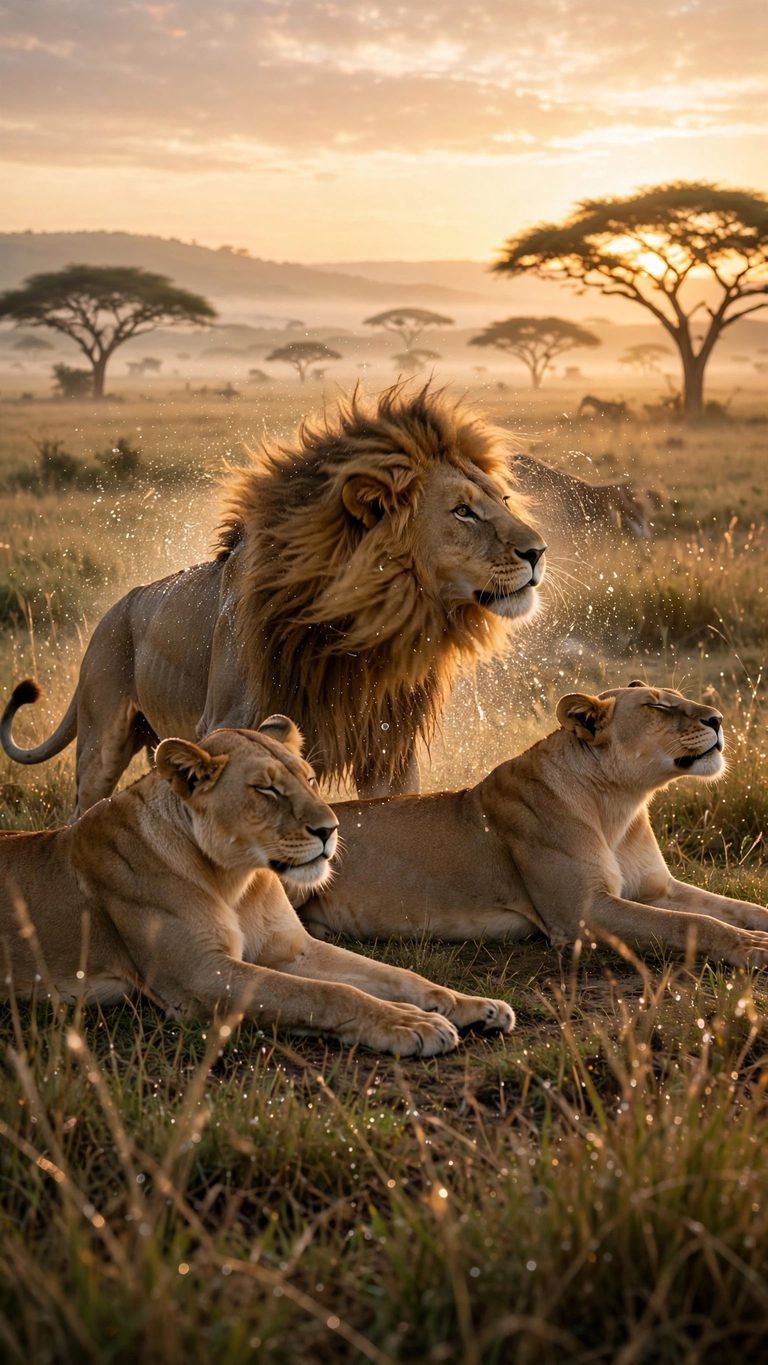
- Lion King Portrait: Regal AI Photo Prompt for a Majestic Golden Hour Wildlife Portrait (Midjourney & DALL-E 3 Ready)
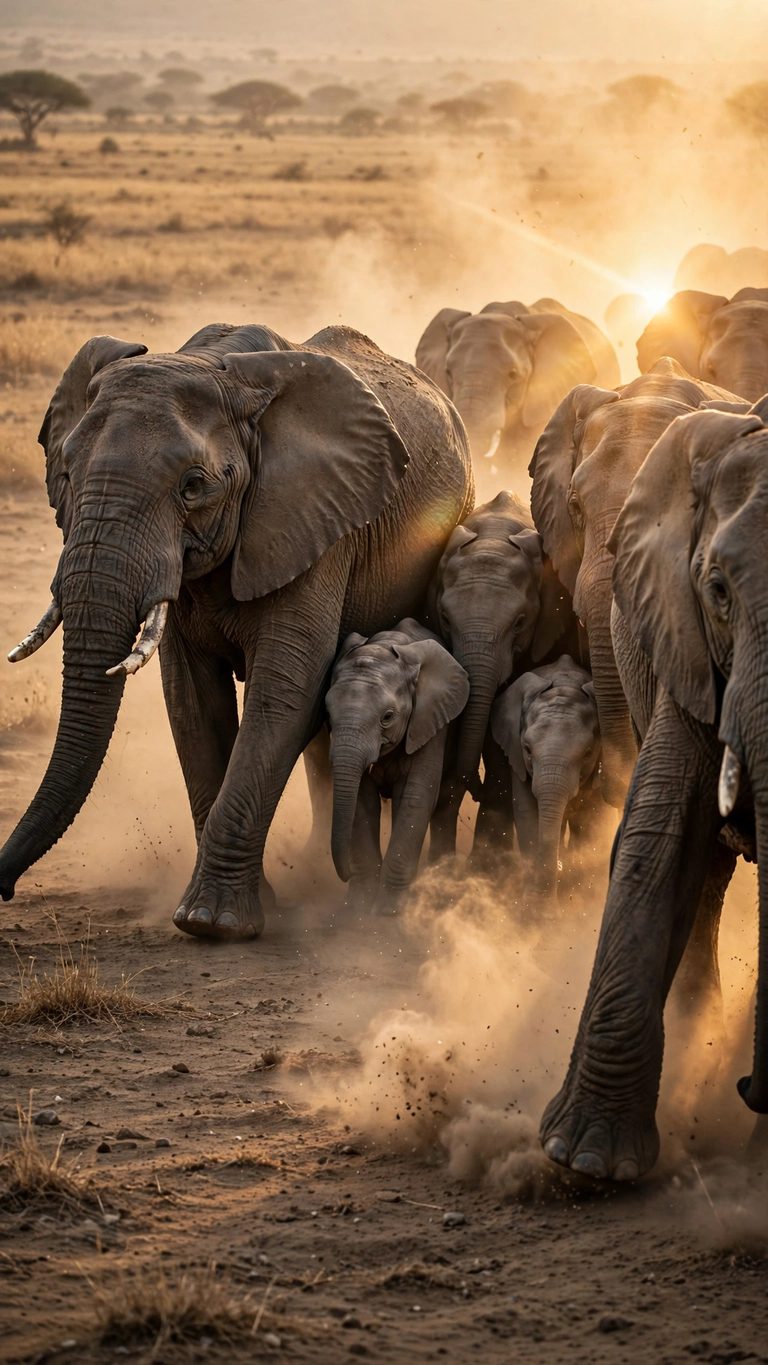
- Elephant Matriarch Portrait: Emotional AI Photo Prompt for a Wise Old Elephant in Warm Light (Midjourney Ready)
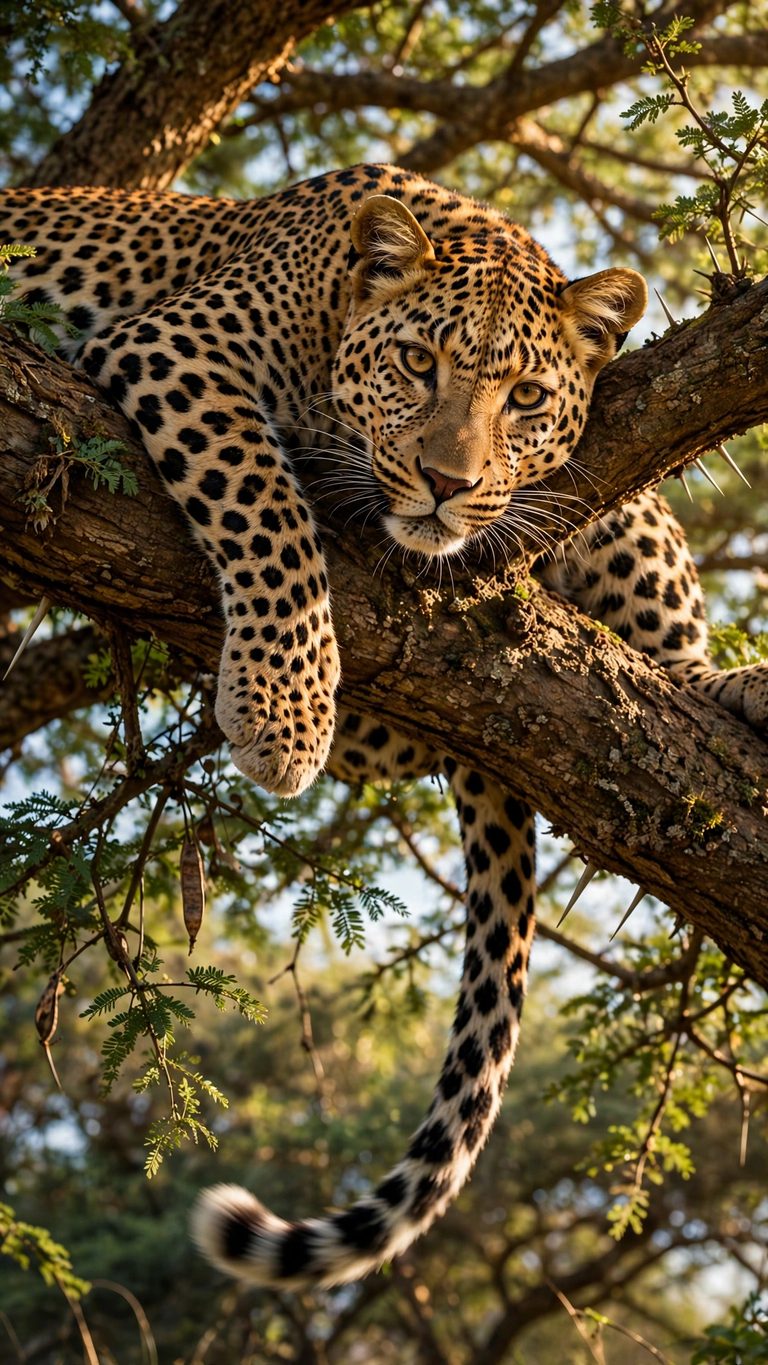
- Leopard Eyes at Night: Haunting AI Photo Prompt for a Glowing Predator Gaze Portrait (Midjourney & Flux Ready)
# A I V i d e o # P r o m p t B a z a r # B u f f a l o # S t o r m # D r a m a t i c

Leave a Reply